Collagen has moved from beauty-shelf trend to a practical nutrition question: how to incorporate collagen into your diet. You may see it in coffee, yogurt, soups, protein bars, and powdered supplements. Yet adding it wisely requires more than stirring powder into a morning drink.
Julia Zumpano, a registered dietitian at Cleveland Clinic, explains, “Collagen is a protein that helps make up your skin, bones, muscles, tendons and ligaments.” That simple description matters. Collagen supports the body’s structure, but collagen supplements are not complete proteins. They should not replace eggs, fish, beans, dairy, tofu, or other protein-rich foods. A dietitian can help adjust portions for your needs.
This guide explores seven realistic ways to include collagen without turning every meal into a supplement routine. You will find options such as blending unflavored peptides into oatmeal, choosing collagen-rich broths, and pairing collagen with vitamin C foods. Think citrus, berries, tomatoes, and bell peppers. Small details count.
The evidence is promising, not perfect. Some studies report benefits for skin hydration, joint comfort, or exercise recovery, but results vary. Product quality varies too. Look for transparent labels, third-party testing, and clear serving information. Avoid assuming a higher dose means better results.
There is room for doubt. Collagen may help some people, while others notice little change. Food habits, total protein intake, sleep, age, and health conditions also matter. These seven methods offer practical starting points, not guaranteed outcomes.
Understanding Collagen and Its Role in the Body
Understanding collagen begins with recognizing its role as a structural protein. It supports skin, bones, cartilage, tendons, and connective tissues. The body makes collagen from amino acids, especially glycine, proline, and hydroxyproline. Production also depends on vitamin C, zinc, copper, and sufficient overall protein. Collagen is not a miracle ingredient. It is one part of a broader nutrition pattern.
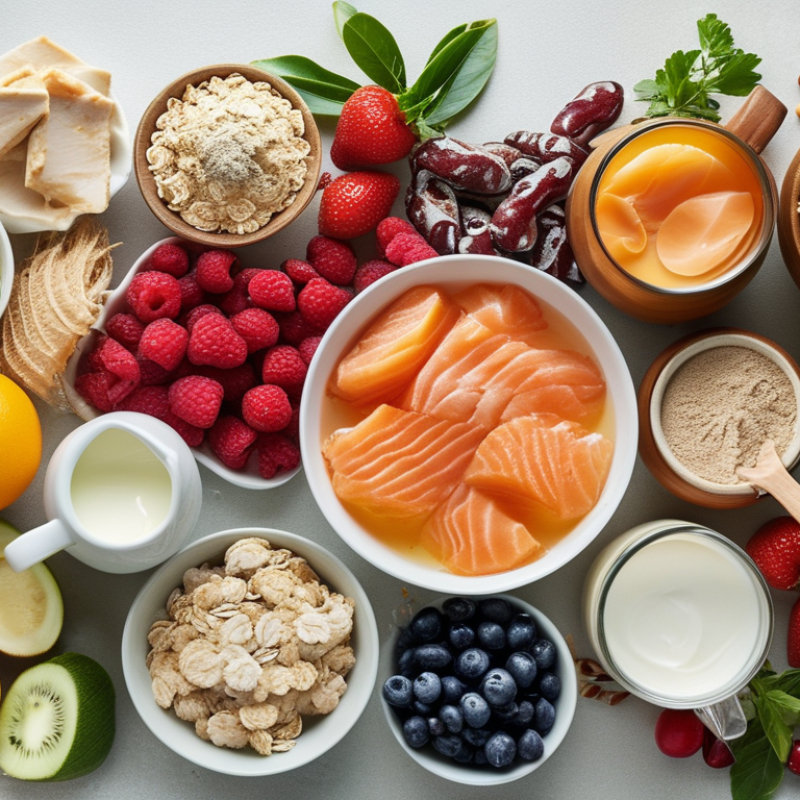
You can add collagen thoughtfully in seven ways: simmer bone broth, use plain gelatin in soups, stir unflavored collagen peptides into yogurt, or blend them into oatmeal. Eat fish with edible skin when appropriate, and choose protein-rich foods such as eggs, beans, poultry, or tofu. Pair these choices with vitamin C sources, including oranges, kiwi, peppers, and broccoli. Small details matter. A colorful plate supports more than one nutrient pathway.
Evidence for collagen supplements is promising but still developing, and products vary in quality. Some studies report modest improvements in skin hydration or joint comfort, while results are not universal. Read the ingredient label and avoid assuming a higher dose works better. I would also question whether a supplement replaces a balanced meal; usually, it does not. People with allergies, medical conditions, or special dietary needs should seek professional guidance before using concentrated collagen products. Source quality matters greatly.
Choosing Dietary Sources of Collagen
7 Best Ways to Incorporate Collagen Into Your Diet?
Choosing a dietary collagen source requires more than following a popular food trend. Slow-cooked beef, pork, or chicken cuts provide collagen from connective tissue. Bone broth offers another practical option, although its collagen content can vary considerably. Food form matters. Gelatin can thicken soups, stews, oatmeal, or low-sugar desserts. These choices may feel old-fashioned, yet they are easy to use in ordinary meals.
Fish skin can be roasted until crisp and added to rice or salads. Skin-on poultry also contains connective tissue, but it may increase the meal’s fat content. Collagen peptides dissolve easily in water, yogurt, or a smoothie. Choose products with clear ingredient lists and check for allergens. For a seventh approach, pair collagen-rich foods with vitamin C sources, such as oranges, kiwi, peppers, or broccoli. Vitamin C supports normal collagen formation in the body.
The body digests collagen into amino acids, rather than sending it directly to the skin. That detail is often overlooked. Adequate total protein still matters, so collagen should not replace eggs, beans, fish, or other protein foods. Bone broth may also contain substantial sodium. I would not use it as a daily staple without checking the label. Results can differ, and evidence for specific beauty benefits remains mixed. A balanced plate is less exciting, but probably more reliable.
Pairing Collagen With Nutrients That Support Its Production
Collagen works best as part of a balanced meal, not as a standalone promise.
Vitamin C supports the enzymes that help your body build and stabilize collagen. Try adding berries, kiwi, bell peppers, or broccoli beside a collagen-containing drink or gelatin dessert. A squeeze of lemon over a savory meal can make this pairing simple. Fresh produce also provides fiber and plant compounds, which collagen powders usually lack.
Your body also needs adequate protein, including amino acids such as glycine and proline. Eggs, fish, poultry, beans, dairy foods, and tofu can support overall protein intake. Copper and zinc contribute to connective-tissue maintenance, so include nuts, seeds, seafood, whole grains, or legumes when appropriate. More is not always better. I once viewed collagen as a quick fix, but consistent meals mattered more than taking an extra scoop. The evidence for supplements is promising, yet product quality and study results vary. Bone broth may provide collagen-related proteins, although its nutrient content can differ widely between recipes. Pairing foods is useful, but it cannot replace sleep, sufficient calories, or medical care for a diagnosed condition. Keep the routine realistic. A yogurt bowl with kiwi and seeds may be easier to maintain than an elaborate plan.
Following Safe and Practical Collagen Intake Habits
Following Safe and Practical Collagen Intake Habits
Collagen fits easily into everyday meals when portions stay realistic. Stir hydrolyzed collagen peptides into warm oatmeal, yogurt, or coffee. Blend them into a fruit smoothie. Add unflavored powder to soup after cooking. Gelatin can thicken homemade desserts. Capsules offer convenience during travel. Pair collagen with vitamin C foods, such as kiwi, strawberries, or bell peppers. Vitamin C supports normal collagen formation, according to the National Institutes of Health Office of Dietary Supplements.
Many studies use 2.5 to 10 grams daily, but no official collagen intake target exists. A systematic review in Nutrients reported possible improvements in skin hydration and elasticity, while noting limited study quality and the need for larger trials. Collagen is not a complete protein because it lacks tryptophan. Keep eggs, beans, fish, dairy, or tofu in your diet. Check the ingredient panel and avoid products with unnecessary stimulants or unclear sourcing. Independent quality testing matters. People with allergies, kidney conditions, or pregnancy concerns should ask a qualified clinician first. More is not automatically better. I sometimes find the powder clumps, so mixing it with a small amount of liquid first works better.
7 Best Ways to Incorporate Collagen Into Your Diet
These example portions show practical ways to add collagen-containing foods or collagen products to meals. Collagen peptide and gelatin portions are commonly measured by grams, while food portions are shown in approximate serving sizes. Bone broth collagen content can vary widely, so its portion size should not be treated as a guaranteed collagen dose.
Choose products according to their labels, pair collagen foods with a balanced diet, and include vitamin C-rich produce such as citrus, kiwi, peppers, or berries. People with food allergies, kidney disease, pregnancy, or medical dietary restrictions should seek professional advice before using supplements.
Conclusion
Collagen is a structural protein that supports the skin, bones, joints, muscles, and connective tissues. Learning how to incorporate collagen into your diet starts with understanding that the body produces it from amino acids, while dietary choices can help supply the nutrients involved in this process. Natural sources include slow-cooked meats, fish with edible skin, eggs, and protein-rich foods. A balanced diet is important because collagen works alongside vitamins and minerals rather than acting alone.
For convenience, collagen peptides can be mixed into everyday drinks such as water, smoothies, tea, or soup, provided the product is used according to its instructions. Pairing collagen-containing foods or supplements with vitamin C sources, zinc, copper, and adequate protein may support normal collagen production. Safe habits include choosing reputable products, following serving guidance, staying hydrated, and viewing collagen as part of an overall nutritious lifestyle rather than a replacement for varied meals.
 Eik Health
