High-potency dietary supplements, bio-available extracts, and functional chewables manufactured under strict cross-contamination safety guidelines.
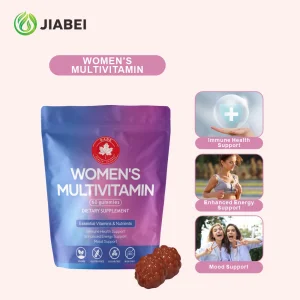
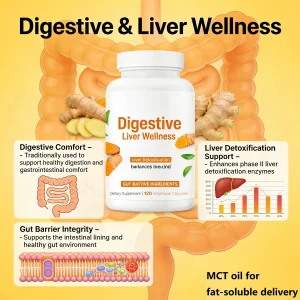
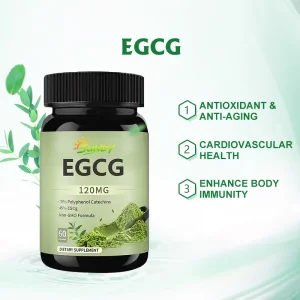
Insightful analysis into user intent, market growth metrics, and allergen-free standards across key global regions.
The demand for gluten-free dietary supplements has transitioned from a niche dietary preference to a mainstream, non-negotiable health standard. Driven by an increase in diagnosed Celiac Disease, non-celiac gluten sensitivity, and a growing consumer interest in clean-label, low-inflammation foods, global brands are looking to secure reliable supply chains. In modern health landscapes, "gluten-free" is no longer just about avoiding wheat—it stands as a hallmark of raw material purity and meticulous quality control.
According to market indicators, the global gluten-free products market is expected to expand at a compound annual growth rate (CAGR) of over 8.5% through 2032. North America and Europe represent the largest consumer markets, but Asia-Pacific is registering the fastest expansion rate due to changing eating patterns and increased health awareness. Sourcing high-quality raw ingredients that comply with international regulatory levels—such as less than 20 parts per million (ppm) gluten content defined by the FDA—remains a major operational priority for brands.
Procurement managers at health firms evaluate suppliers not only on cost but also on cross-contamination prevention, test transparency, and regulatory compliance. Securing a reliable OEM/ODM partner with dedicated allergen-segregated production lines is key to protecting a brand from expensive recalls and safeguarding end-user health.
A closer look at Guangdong Eik Health Co., Ltd., a trusted B2B manufacturer specializing in high-purity nutritional formulations.
Guangdong Eik Health Co., Ltd. is a professional China-based manufacturer specializing in OEM and ODM nutritional supplement solutions. With extensive experience in the health and nutrition industry, we are dedicated to providing global customers with reliable, flexible, and high-quality supplement manufacturing services.
We offer comprehensive solutions covering product development, customized formulation, ingredient sourcing, production, packaging, and private label services. Our manufacturing capabilities include gummies, capsules, softgels, tablets, powders, liquids, and other customized nutritional products, helping brands efficiently transform innovative ideas into market-ready health solutions.
Equipped with modern production facilities, advanced manufacturing equipment, and a strict quality management system, Guangdong Eik Health ensures consistent product quality and safety throughout the manufacturing process. We work with a wide range of premium raw materials and have access to more than 1,000 functional ingredients, enabling us to create customized supplement formulas that meet different market demands and consumer preferences.
With an efficient supply chain system and strong production capacity, we provide competitive solutions with flexible order quantities, fast quotation services within 24–48 hours, and optimized production schedules. Depending on product specifications and order requirements, our lead times can start from approximately 15 days, helping customers respond quickly to market opportunities.
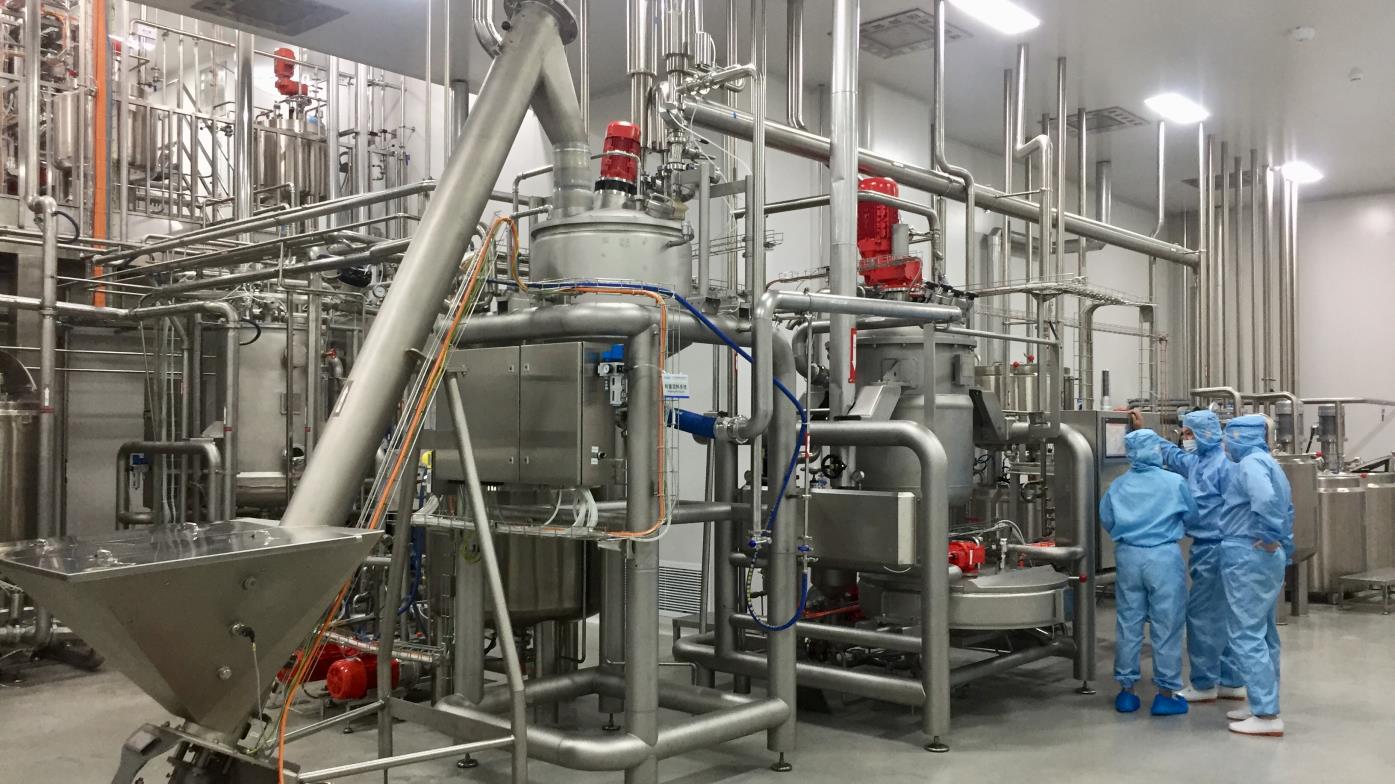
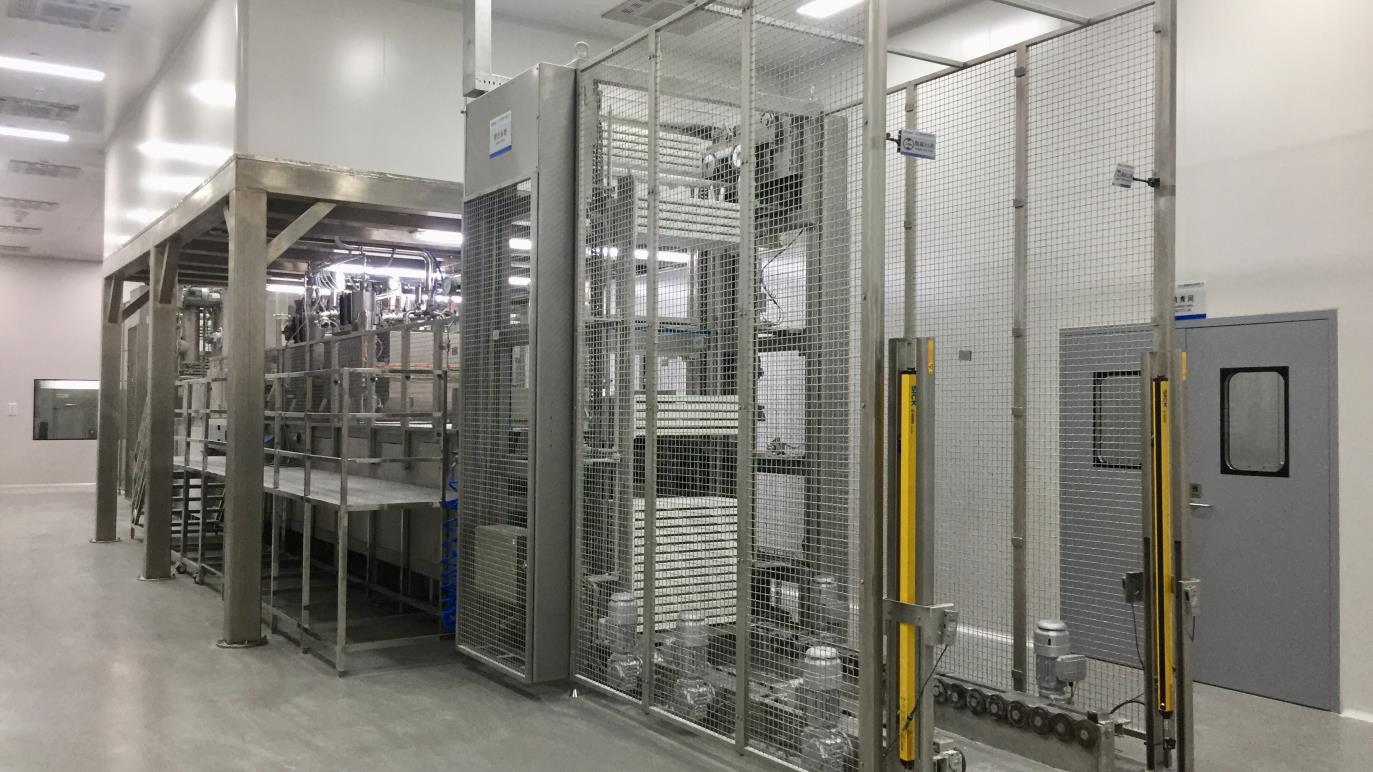
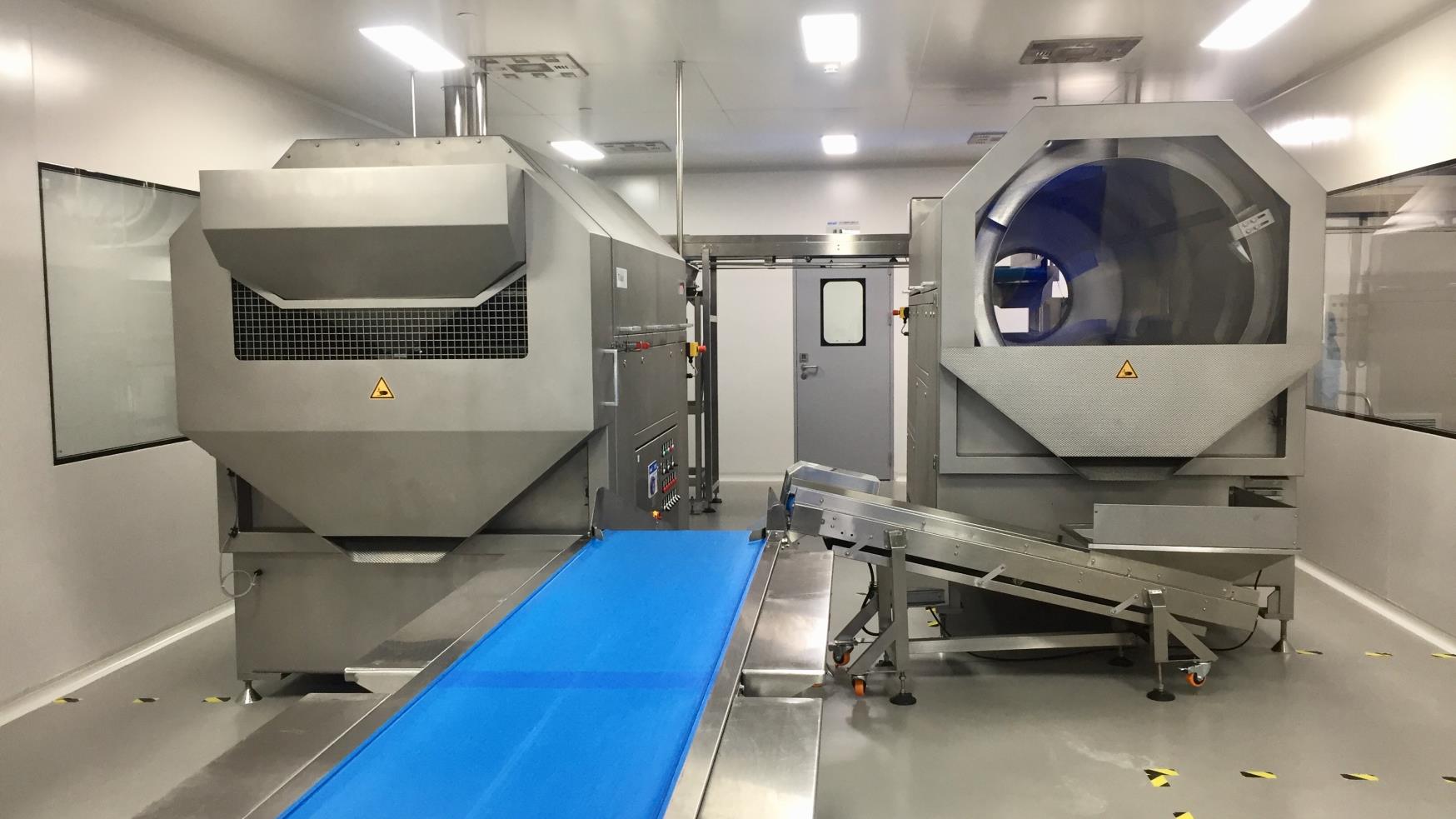
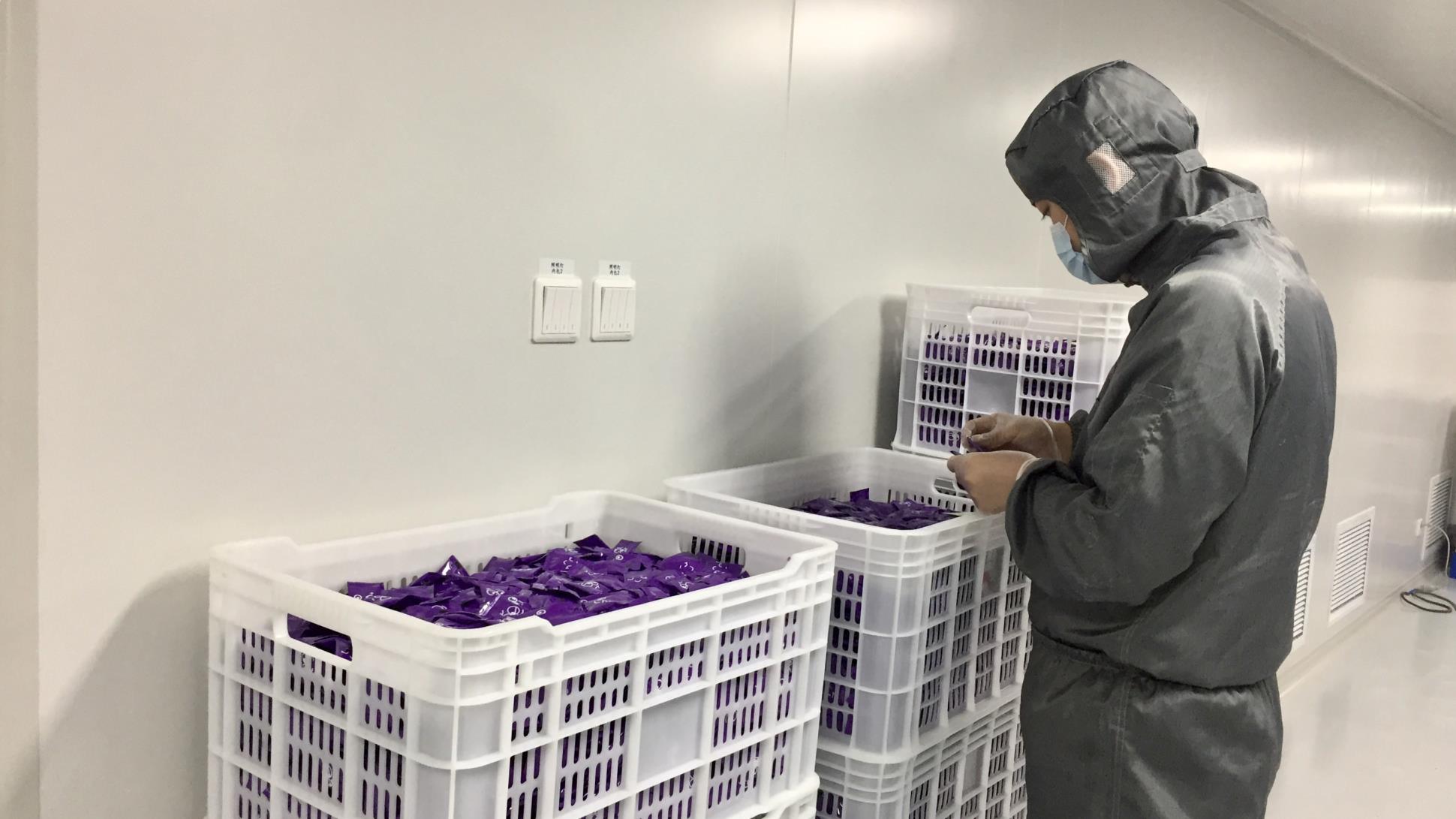
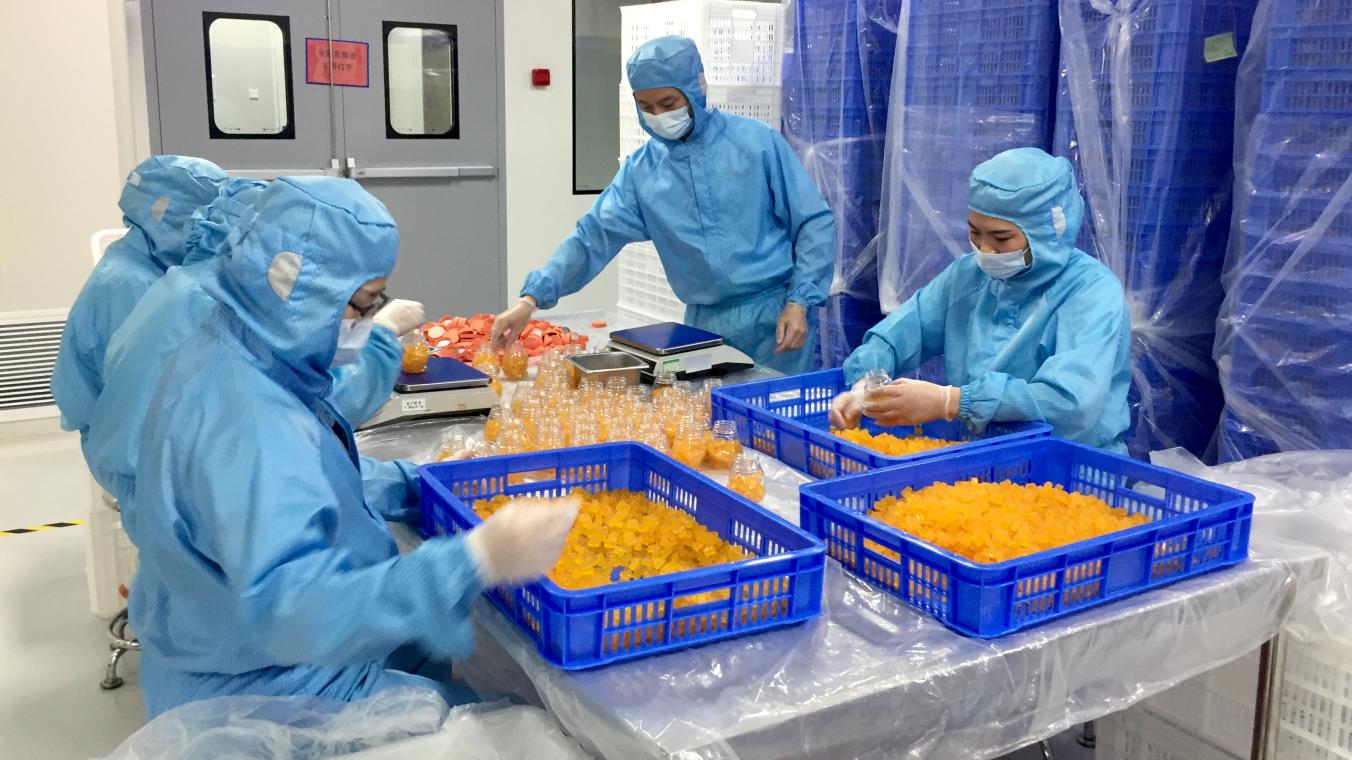
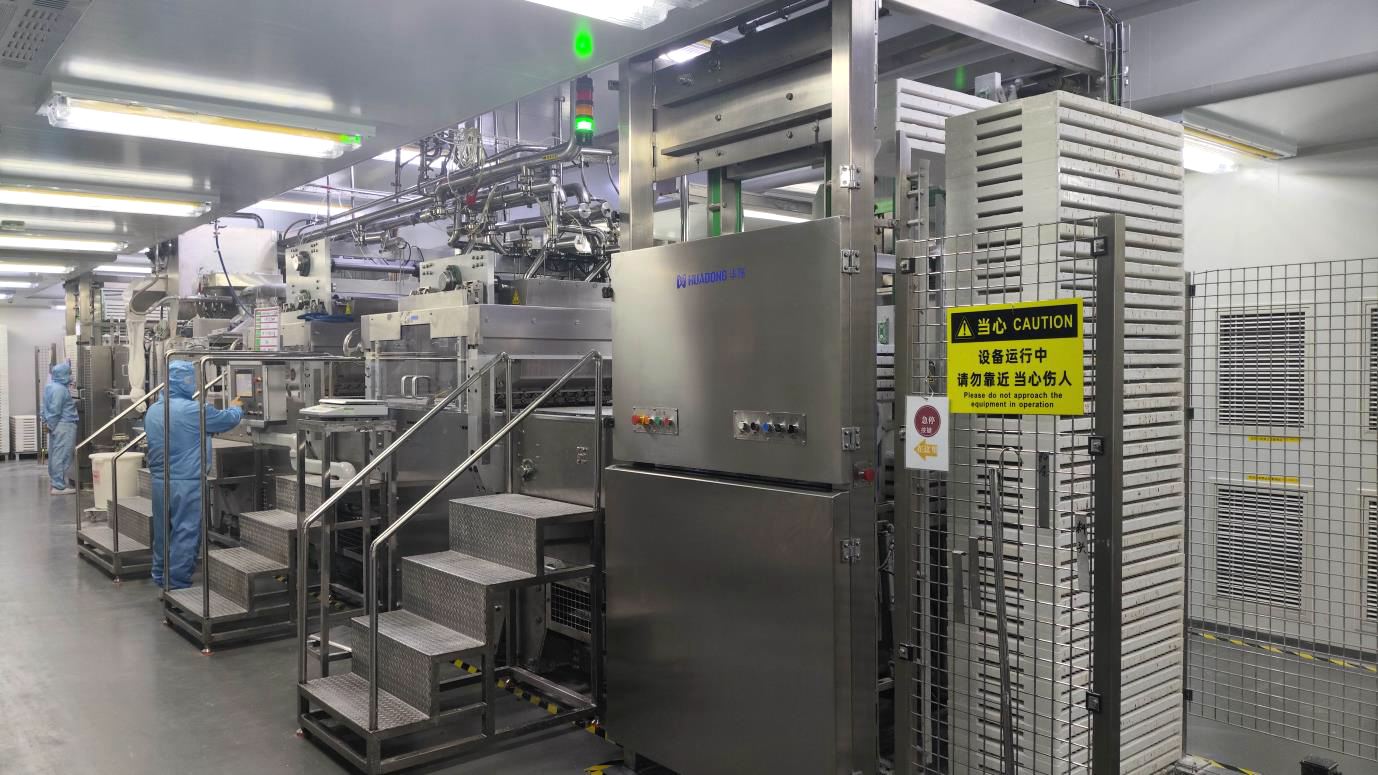
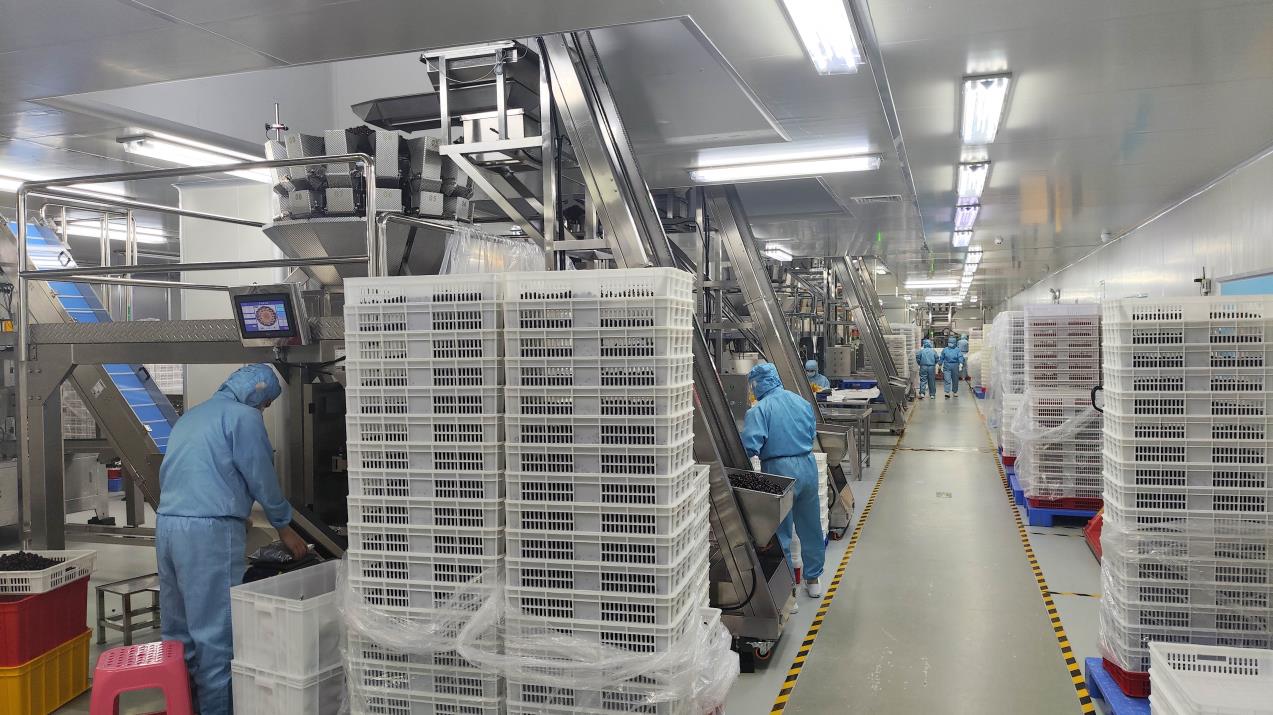
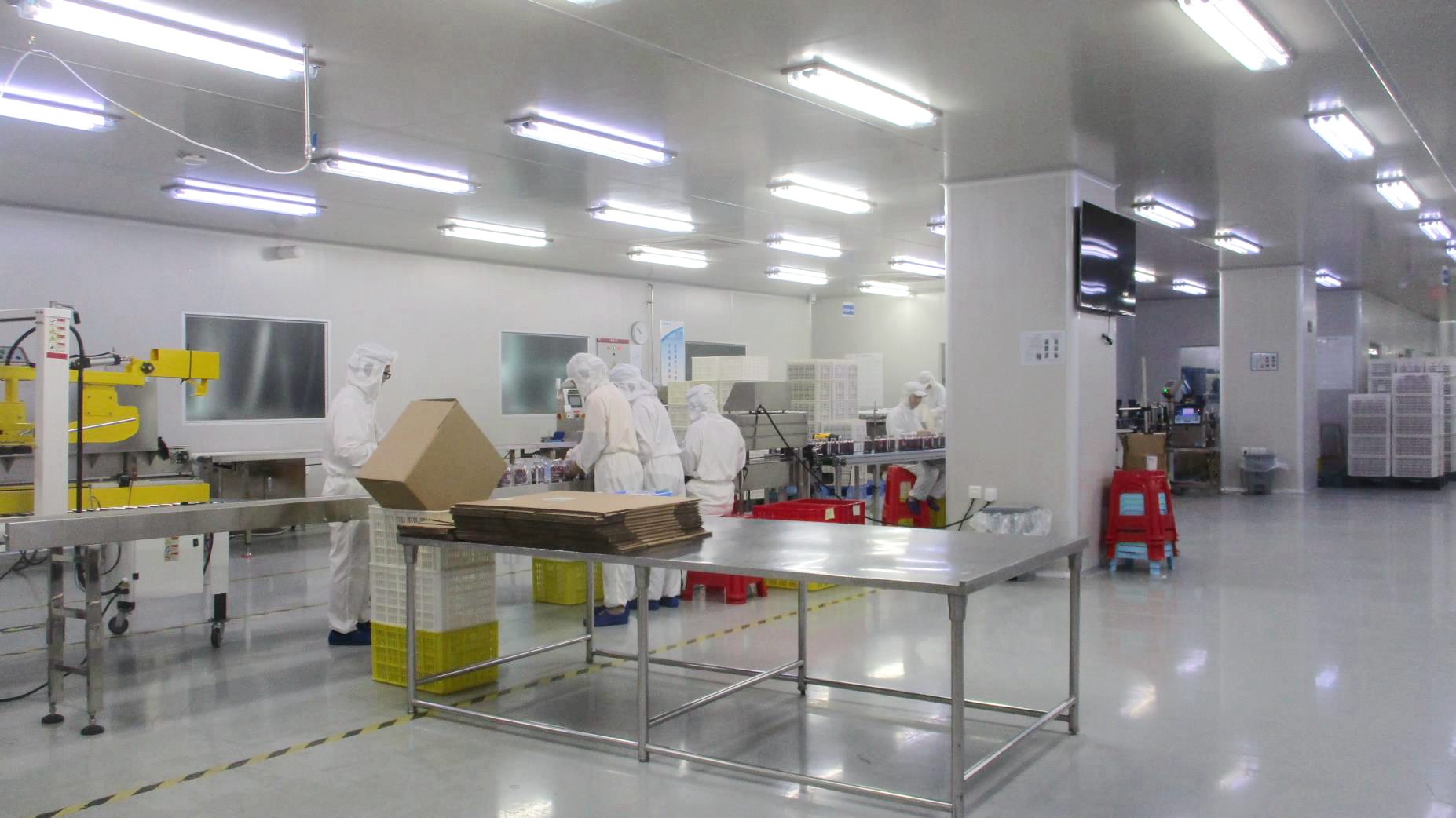
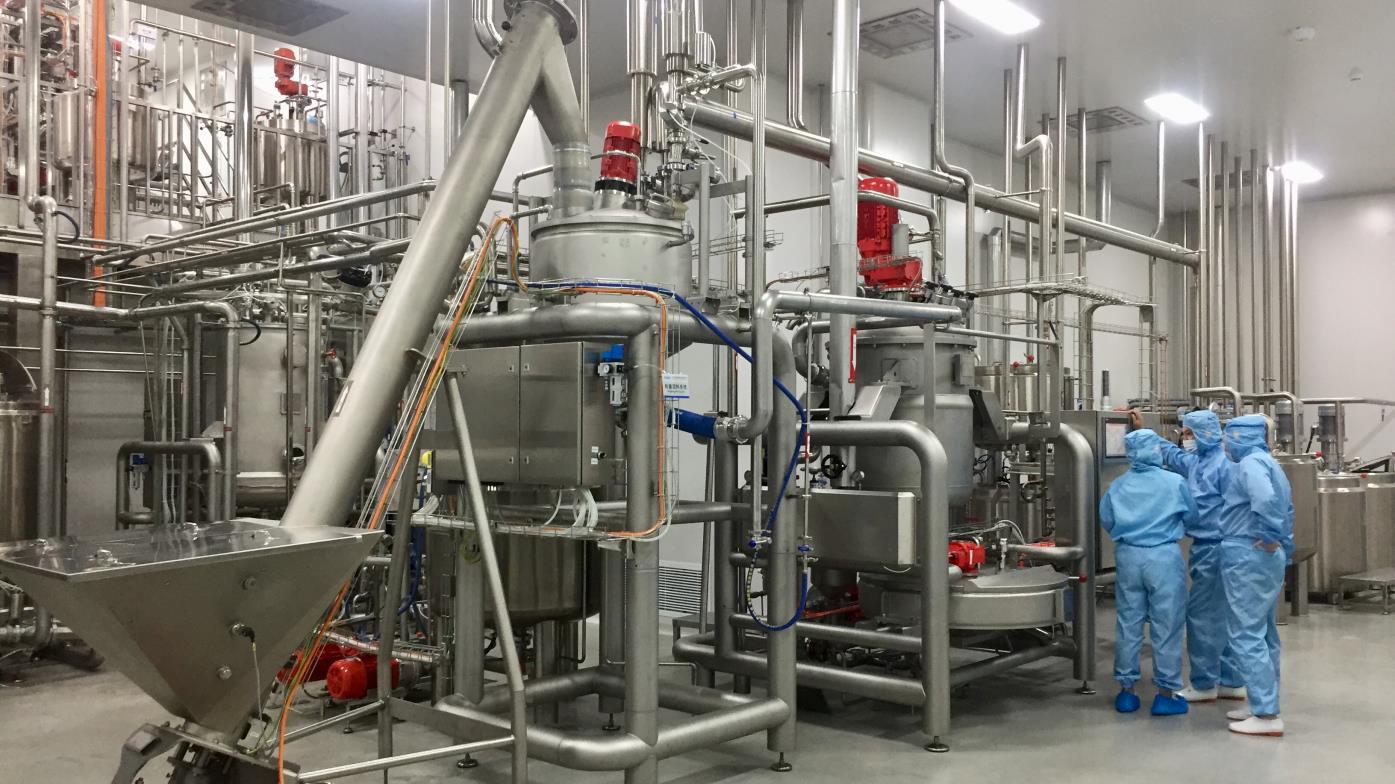
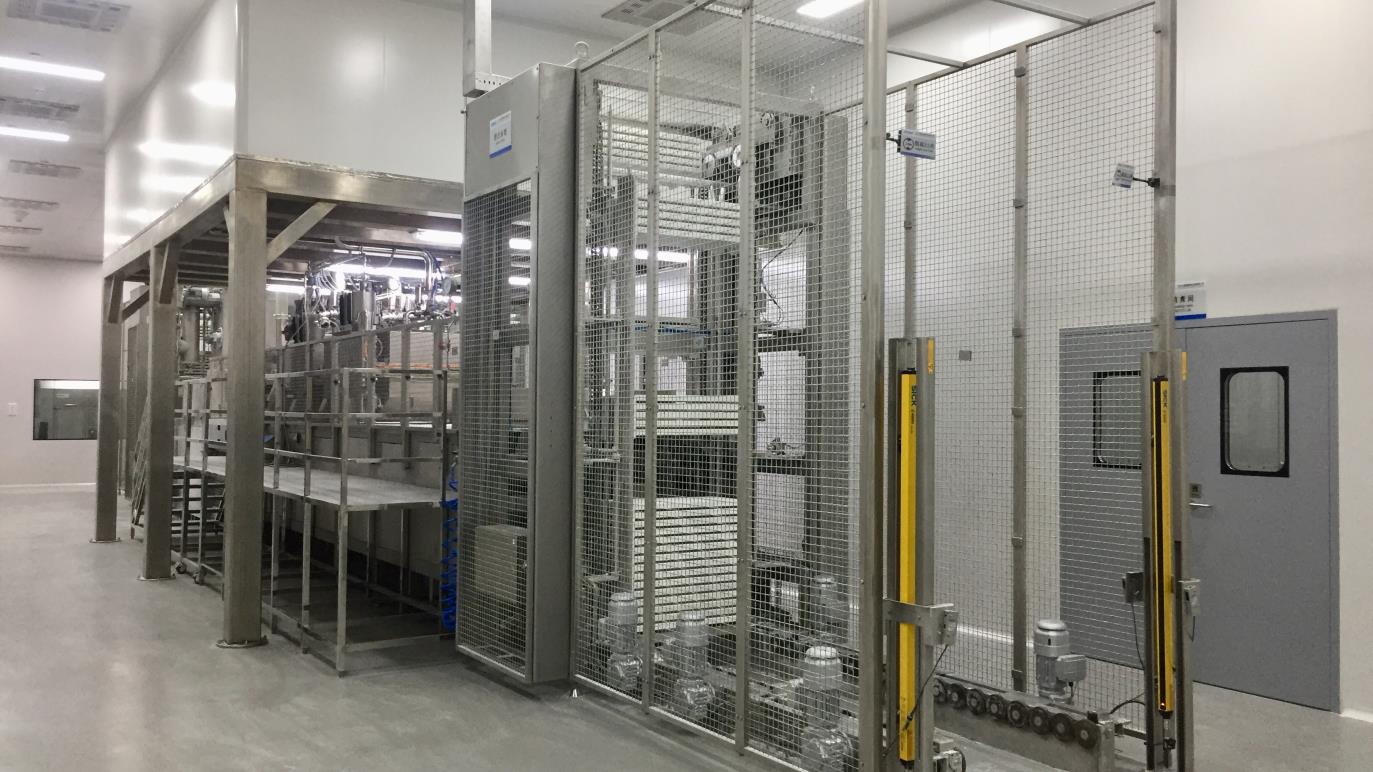
Key competitive factors driving the transition of global supplement brands toward China-based advanced production facilities.
Direct access to raw botanical extractions, amino acids, minerals, and advanced bio-actives within a single manufacturing hub. This proximity reduces transit latency, minimizes transport-related cross-allergen risks, and helps control raw material costs.
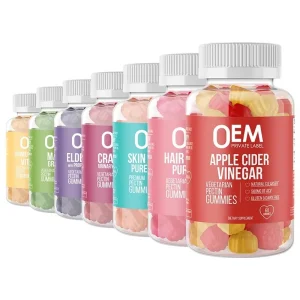
Using advanced machinery for clean-label, plant-based pectin structures instead of gelatin. This enables the production of starch-free, gluten-free, and sugar-free functional delivery formats that maintain structural integrity under warm conditions.
High-speed machinery helps brands move products to market quickly. We provide fast quotation processes (24–48 hours) and optimized production pipelines, bringing selected project turnarounds down to 15 days.
Key design and formulation strategies to help brands build consumer trust and meet strict quality expectations.
Successful health brands are expanding past traditional tablets to offer functional formats like gummies, powders, and liquids. Modern consumers expect these alternative delivery options to match the allergen-free standards of dry-form capsules.
At the same time, clean-label initiatives have made artificial binders, fillers, and texturizers less desirable. Brands are replacing gluten-containing wheat starches with tapioca, non-GMO corn starches, or chicory root fibers. By utilizing plant-derived binders, manufacturers can achieve clean labels that are vegan, non-GMO, and certified gluten-free.
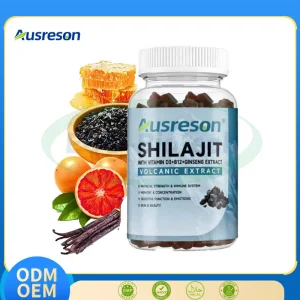
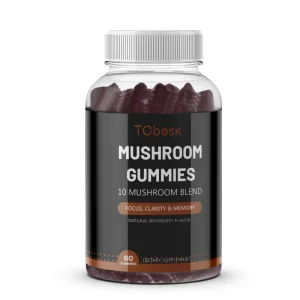
Additionally, integrating active botanicals like adaptogenic mushrooms (Chaga, Lion's Mane), ashwagandha, curcumin, and elderberry requires careful processing to preserve active components without compromising texture. Modern manufacturing techniques utilize low-temperature vacuum boiling and clean-in-place (CIP) line purging to prevent cross-contamination between batches.
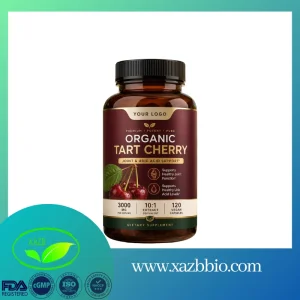
Formulating easy-to-digest joint and bone health products using curcumin and tart cherry extracts. These formulations are designed to support inflammatory health while avoiding common digestive irritants.
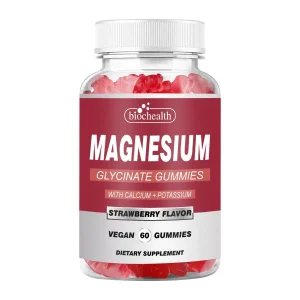
Developing sugar-free magnesium glycinate and ashwagandha chewables to help support relaxation, sleep quality, and cortisol management without artificial additives.
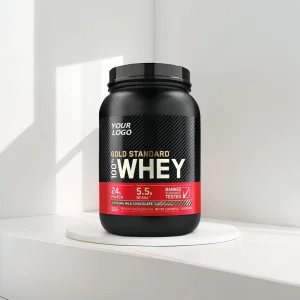
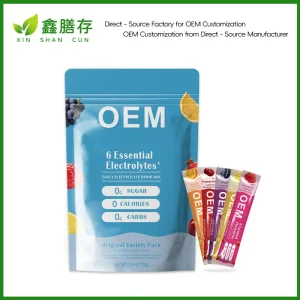
Creating gluten-free, clean electrolyte powders and protein options to support athletic performance and hydration recovery without digestive discomfort.
Operational guidelines for B2B procurement managers sourcing clean-label health products globally.
B2B buyers prioritizing clean, allergy-safe products should implement strict verification protocols for raw ingredients and finished goods. It is recommended to request a comprehensive Certificate of Analysis (COA) from independent third-party laboratories. These reports should confirm that gluten levels remain well below the regulatory threshold of 20 ppm, and ideally under 10 ppm for sensitive consumer bases.
In addition, auditing a supplier's production environment is highly beneficial. A thorough audit should verify clean-in-place (CIP) protocols, ventilation control to prevent airborne flour or starch cross-contamination, and segregated storage systems for potentially allergenic raw materials.
Using competitive ELISA (enzyme-linked immunosorbent assay) testing to monitor and confirm gluten-free compliance down to 5–10 ppm before final packaging.
Ensuring all botanical ingredients, capsule shells, and colorings are traceable to their source plants, preventing unexpected contamination from wheat-based carriers.
Expert technical answers to common queries from procurement managers and brand owners regarding gluten-free supplement manufacturing.
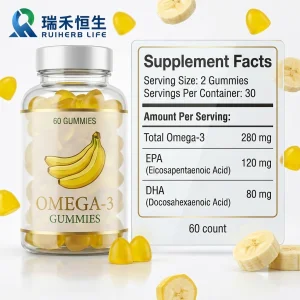
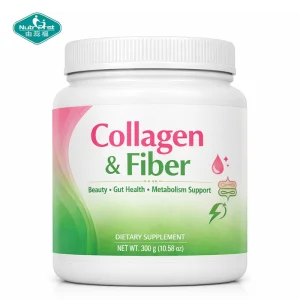
Further selections of high-purity, bio-available formulas including adaptogenic blends, protein bases, and hydration solutions.

 Eik Health