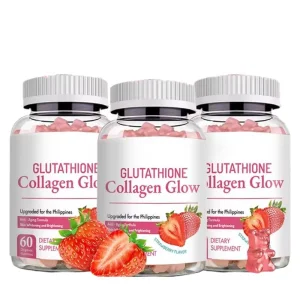
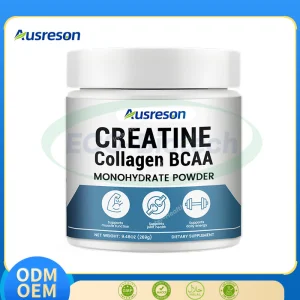
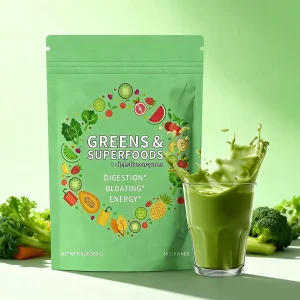
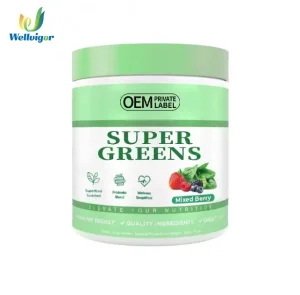
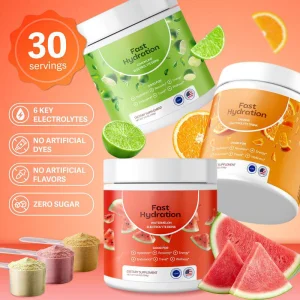
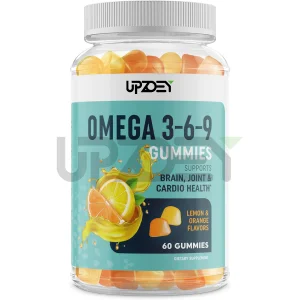
Explore a selection of high-demand, low-carb functional formulations designed to optimize performance, immunity, and overall health.
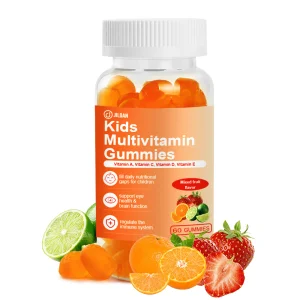
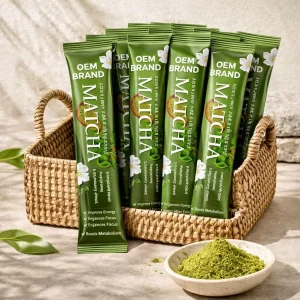
The global low-carb and ketogenic snack sector is undergoing a profound structural shift. What began as a niche dietary trend has developed into an institutionalized, multi-billion-dollar global segment. Modern consumers are increasingly aware of glycemic index levels, metabolic health, insulin resistance, and the systemic implications of chronic sugar consumption. Consequently, the demand for low-carb, high-fat (LCHF), and high-protein alternatives has surged, forcing manufacturers to innovate beyond simple formulation practices to advanced macromolecular food design.
Market studies project the global low-carb snack market will surpass USD 25 billion by 2030, exhibiting a compound annual growth rate (CAGR) of over 7.8%. Crucial drivers include growing health literacy in emerging markets and high demand for clean-label products in developed economies.
Standard snack formulations rely heavily on starch and sugar for structural integrity. Low-carb snack manufacturing requires substituting these with alternative binders like soluble tapioca fiber, chicory root inulin, and protein isolates without altering sensory properties.
Modern consumers demand snacks that offer active cognitive and physiological support. Manufacturers are integrating adaptogens, nootropics, and premium compounds like Citicoline, Collagen, and Bacopa Monnieri into everyday functional foods.
Sourcing low-carb food products requires thorough supply chain auditing. Low-carb claims must comply with strict regulatory requirements in destination markets. Procurement departments should evaluate potential manufacturing partners based on the following key operational criteria:
Reliable suppliers must provide verified nutritional panels with precise starch, polyol, and net carbohydrate calculations. Testing protocols, such as HPLC (High-Performance Liquid Chromatography), should be standard practice to verify that products will not cause unwanted glycemic spikes in consumers.
Clean-label manufacturing facility standards must be verified. A leading manufacturer must maintain certified Good Manufacturing Practices (GMP) and ISO 22000 certifications. This ensures cross-contamination risks are minimized and ingredient purity is maintained throughout production.
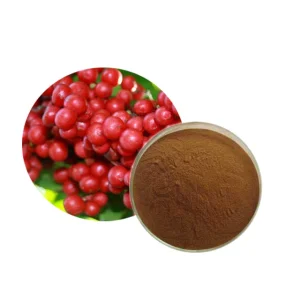
The ability to work with advanced sugar substitutes (e.g., Erythritol, Monk Fruit, Allulose, Stevia) and high-quality protein binders is essential. Manufacturers should offer access to diverse raw materials, including botanical extracts like Schisandra, Bacopa Monnieri, and active functional proteins.
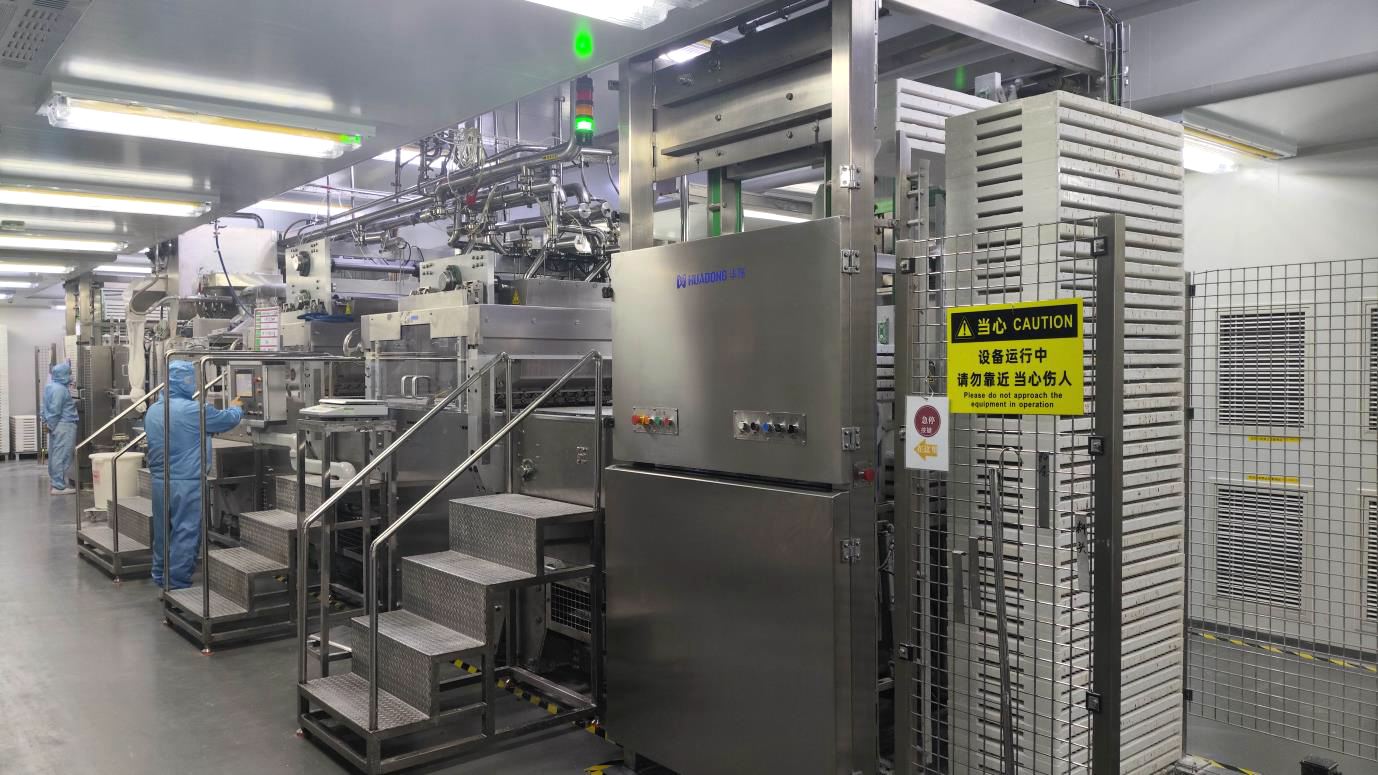
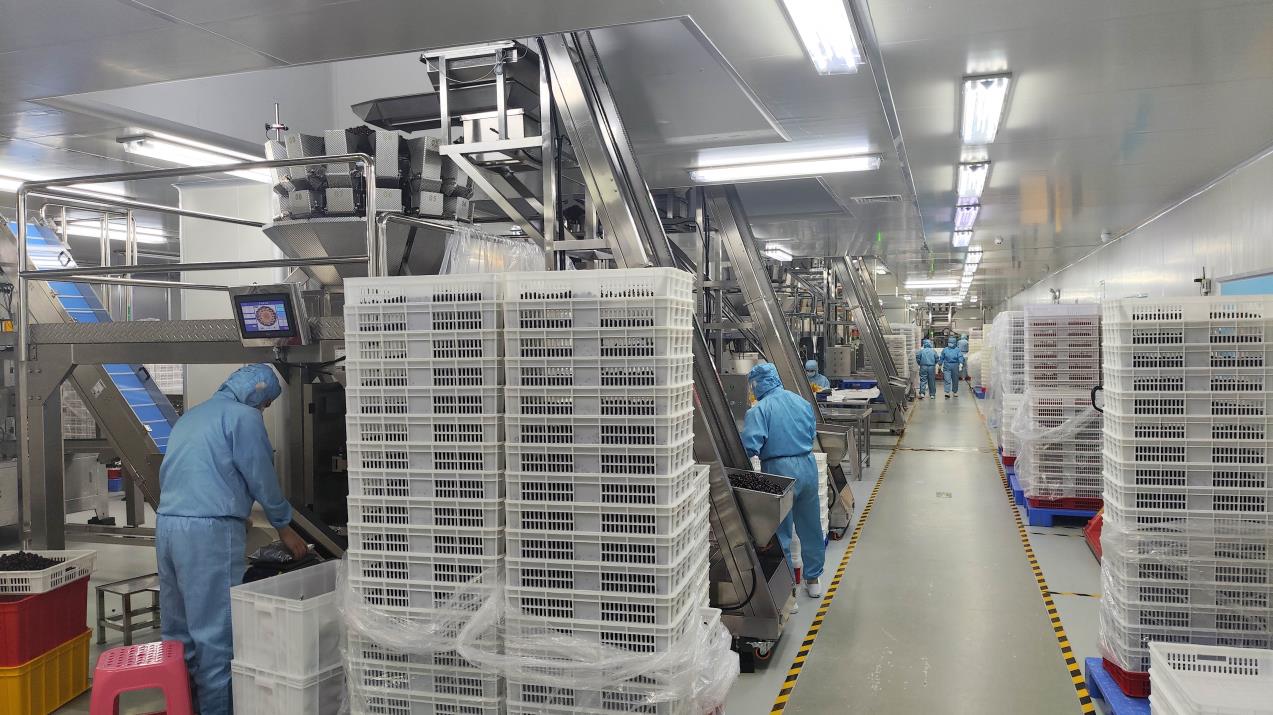
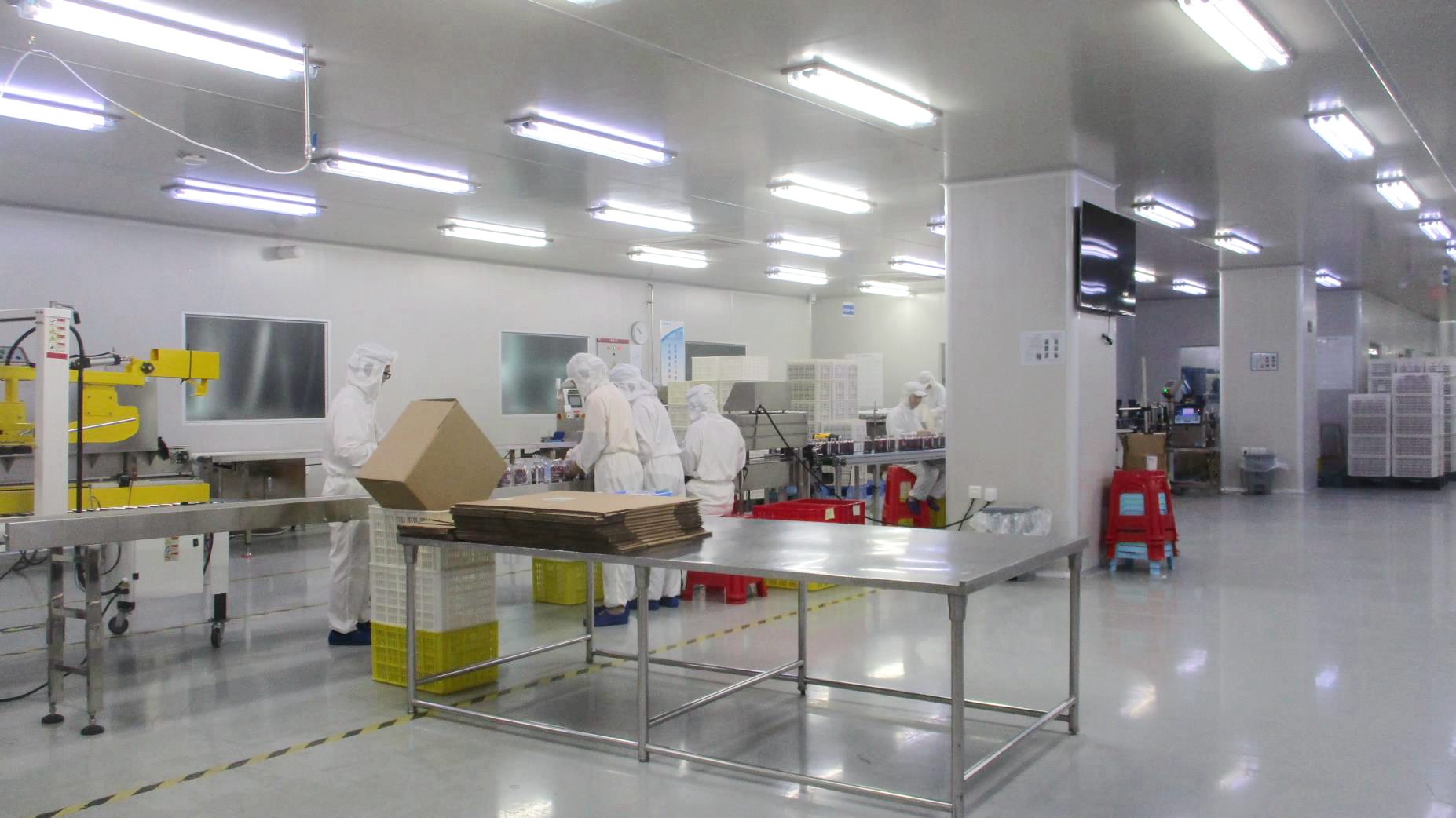
From stick packs to bulk powders and custom gummy molding, clean-room packaging lines are crucial for shelf-life stabilization and maintaining product integrity. Automated high-speed lines reduce atmospheric oxygen exposure, preventing oxidation of healthy fats.
This curated list profiles the leading manufacturers globally, highlighting their operational scale, core specializations, and geographic advantages.
China's Premier Customized Functional Supplement & Snack Manufacturer
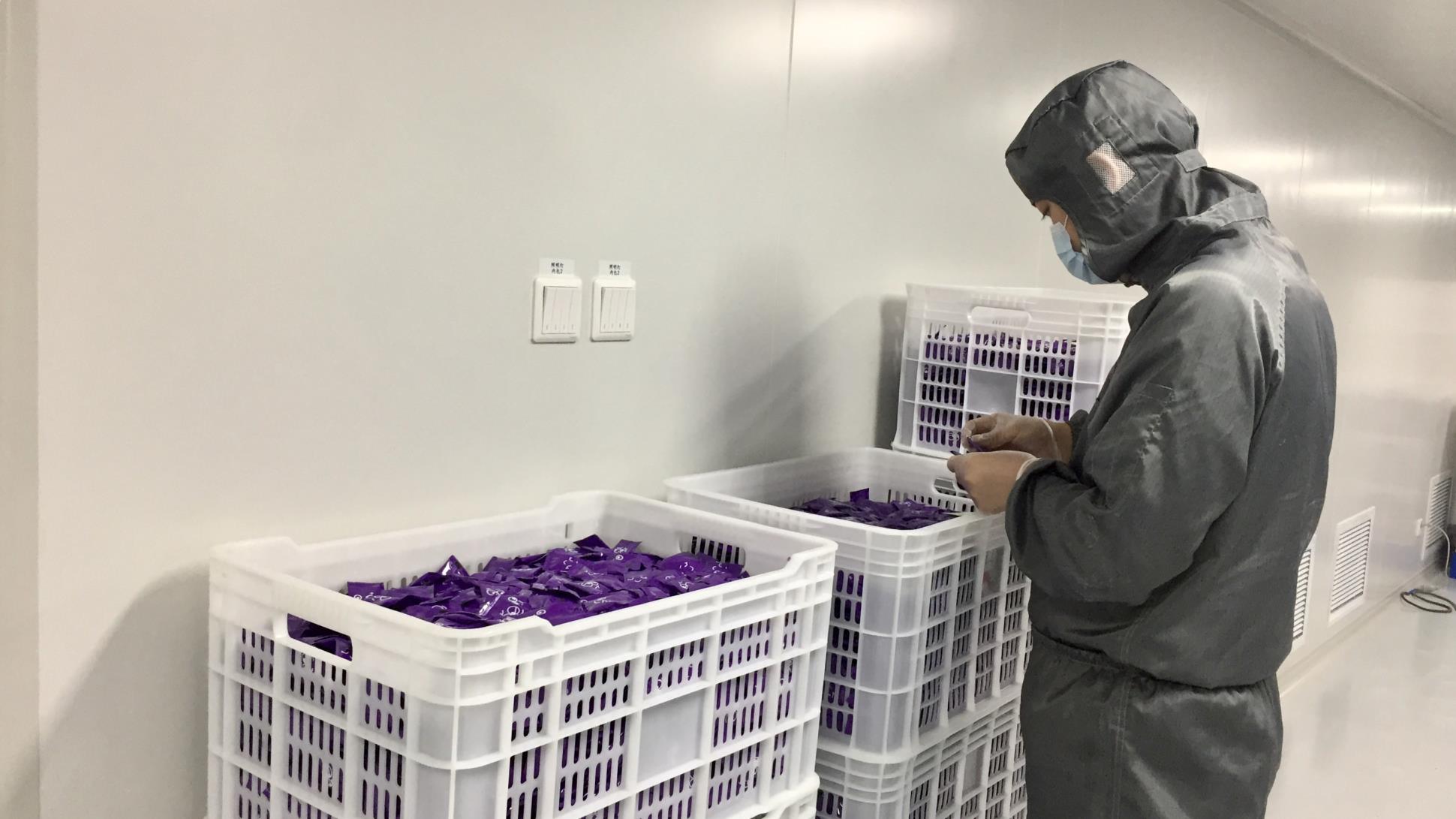
Capabilities & Market Position: Guangdong Eik Health Co., Ltd. is a leading China-based manufacturer specializing in OEM and ODM health and nutritional solutions. With modern production facilities and a comprehensive supply chain, they provide global customers with customizable manufacturing services for low-carb, keto-friendly, and active nutrition products.
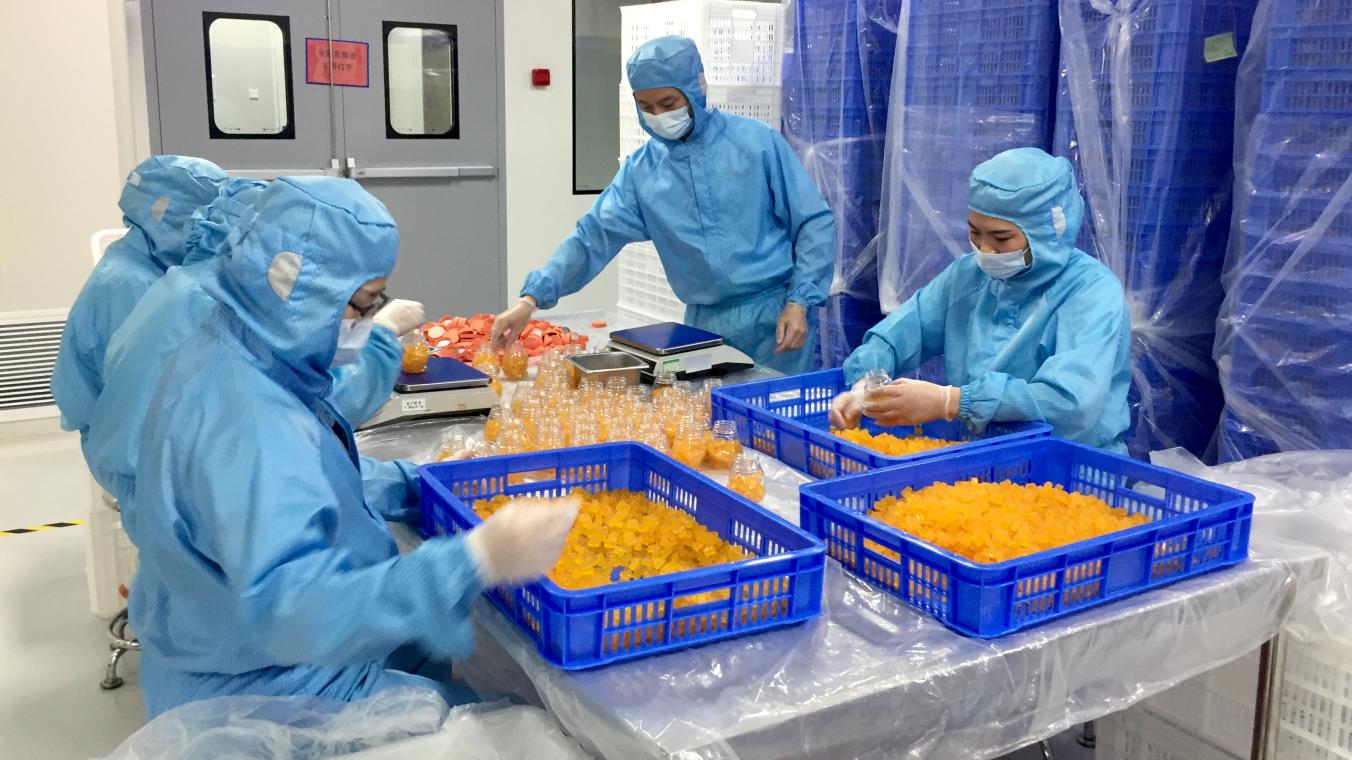
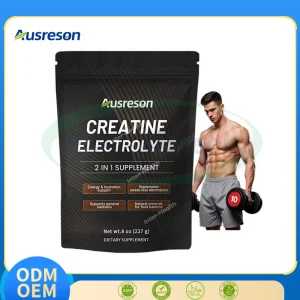
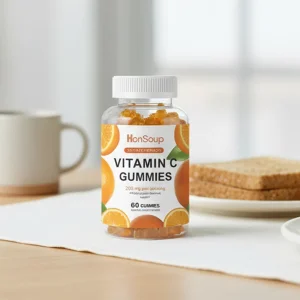
Core Specializations: Functional low-carb gummies (collagen, multivitamins, omega-3), high-performance greens powders, adaptogenic powders, electrolyte replenishment packs, and advanced custom tablet/capsule formulations. They manage over 1,000 functional ingredients and offer flexible MOQ limits alongside fast 24–48 hour quotation turnarounds.
Overview: A global leader in dairy proteins and nutritional ingredients, Glanbia is a major supplier of base protein powders and extruded protein crisps used in low-carb snack bars globally. Their extensive R&D infrastructure supports large-scale formulation development.
Key Advantage: Deep expertise in ingredient technology, dairy proteins (WPI, WPC), and functional premixes for keto and active lifestyle brands.
Overview: Part of the Stern-Wywiol Gruppe, SternLife develops customized functional foods and nutritional supplements in Europe. They focus heavily on clean-label and plant-based protein bars, functional powders, and low-carb meal replacements.
Key Advantage: Strict adherence to European food standards and access to proprietary functional ingredient systems.
Overview: A leading full-service developer and manufacturer of nutrition bars and functional powders in North America. Nellson provides extensive formulation expertise for low-carb and high-protein bar projects.
Key Advantage: Advanced co-packing capabilities and high-throughput production lines designed for high-fat, low-sugar doughs.
Overview: Renowned for taste and nutrition technology, Kerry Group assists brands in solving taste challenges associated with low-carb formulations, particularly masking the bitterness of plant proteins and high-intensity sweeteners.
Key Advantage: Flavor systems and texture modifiers that improve the sensory profile of sugar-free foods.
Overview: One of the largest contract manufacturers in the US, Hearthside specializes in baked goods, snacks, and formulation scaling. They run highly automated facilities capable of manufacturing low-carb cookies, crackers, and bars.
Key Advantage: Industrial capacity and extensive supply chain reach for high-volume consumer goods.
Overview: Operating globally, Barentz is an ingredient distributor and custom premix formulator. They support low-carb snack developers with specialty fibers, sugar alternatives, and customized vitamin-mineral pre-blends.
Key Advantage: Global sourcing network for clean-label, non-GMO, and keto-compliant ingredients.
Overview: A European contract manufacturer specializing in sports nutrition and dietary supplements. Their portfolio includes low-carb dietary powders, functional capsules, and specialized protein concepts.
Key Advantage: Strict EU regulatory compliance and modern production sites with high customization flexibility.
Overview: A private contract manufacturer producing baked snacks. While historically focused on traditional snacks, they have adapted production lines to accommodate low-carb, keto-friendly snack cakes and bars.
Key Advantage: Automated high-volume baking lines and cost-efficient processing of shelf-stable snacks.
Overview: Focused on active lifestyle nutrition, they supply co-packing capacity and formulation development for protein-rich, low-carb drinks and solid snacks, operating large-scale manufacturing facilities.
Key Advantage: Established supply chain validation and recognized expertise in active lifestyle nutrition.
Sourcing functional foods from Chinese manufacturers like Guangdong Eik Health Co., Ltd. offers distinct advantages in cost efficiency, supply chain agility, and scaling capabilities compared to traditional Western operations.
Guangdong province is a global hub for dietary supplement and functional food supply chains. This region provides direct access to raw botanicals, vitamins, and specialized packaging manufacturers, reducing domestic shipping costs and raw material transit times.
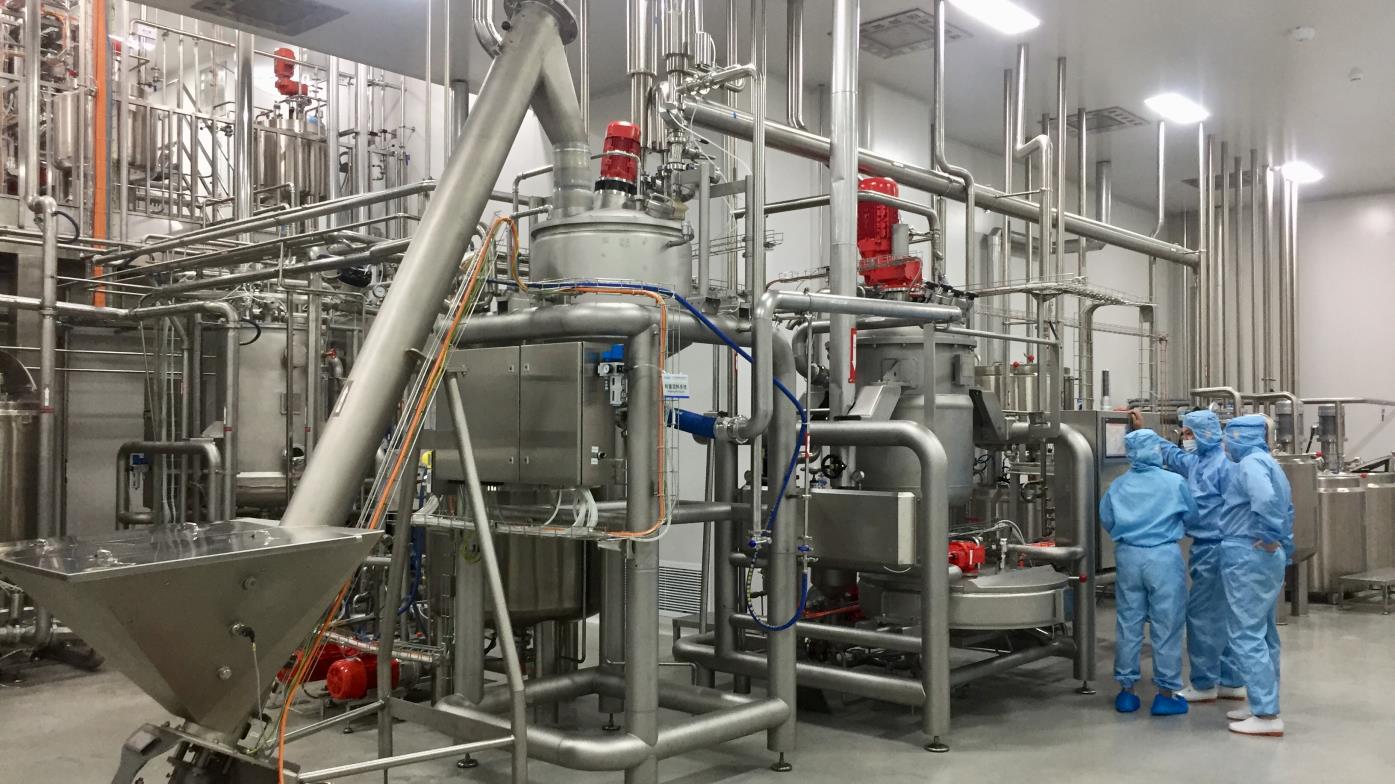
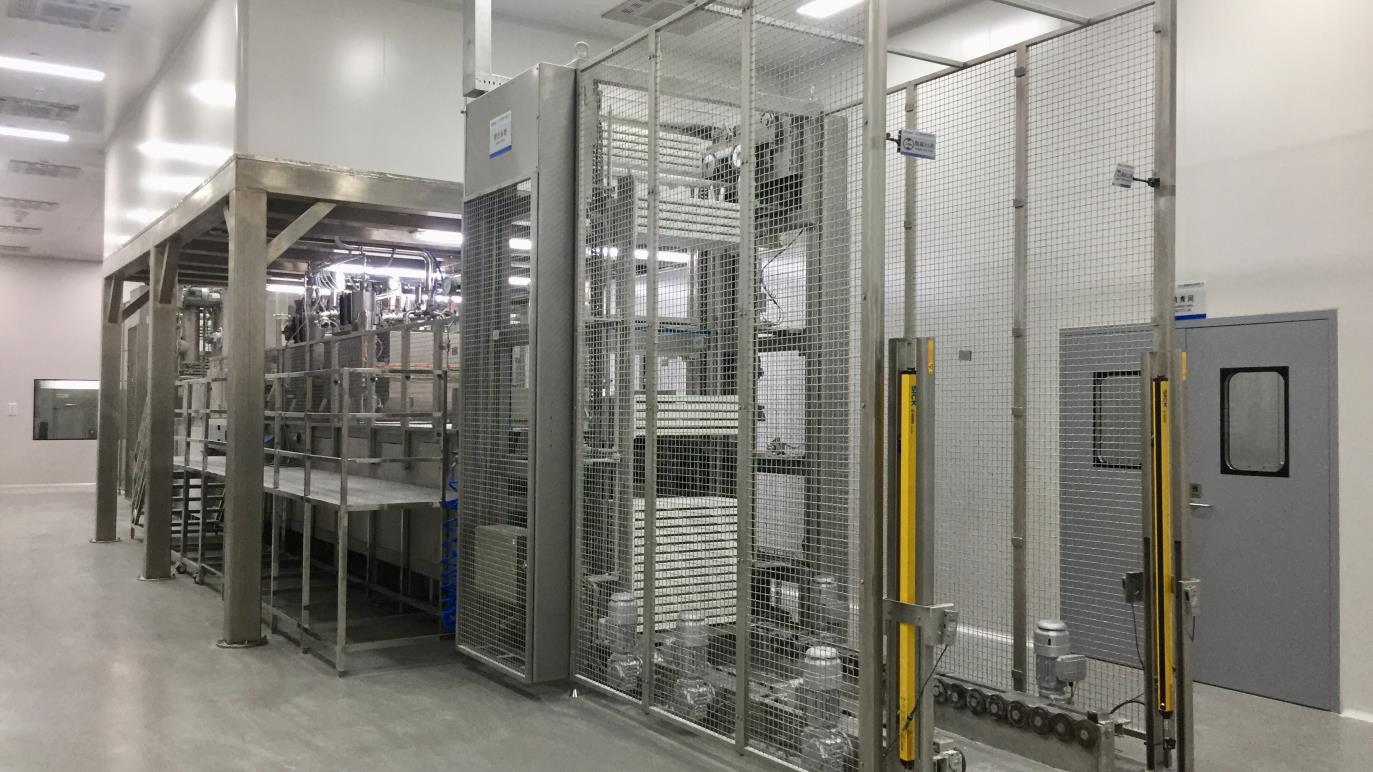
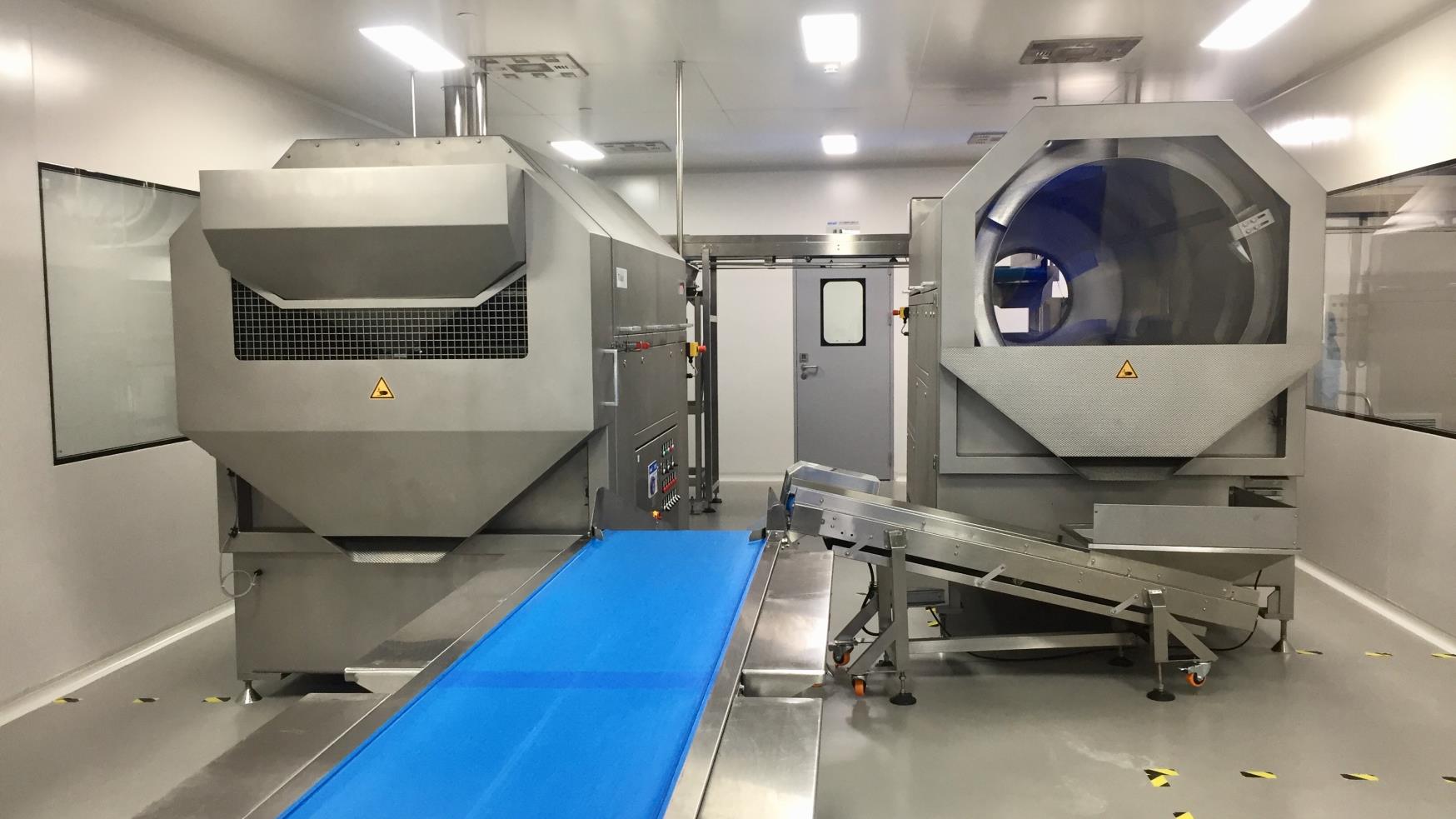
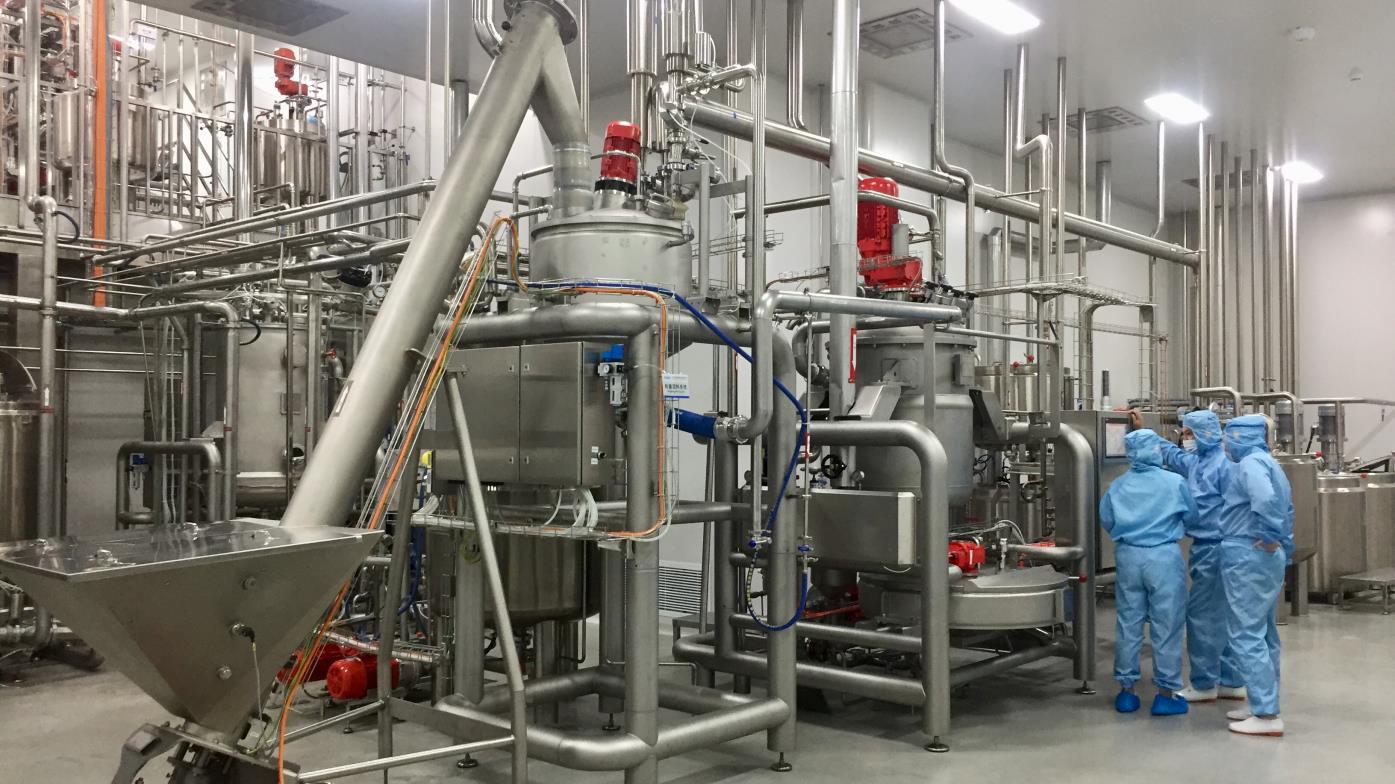
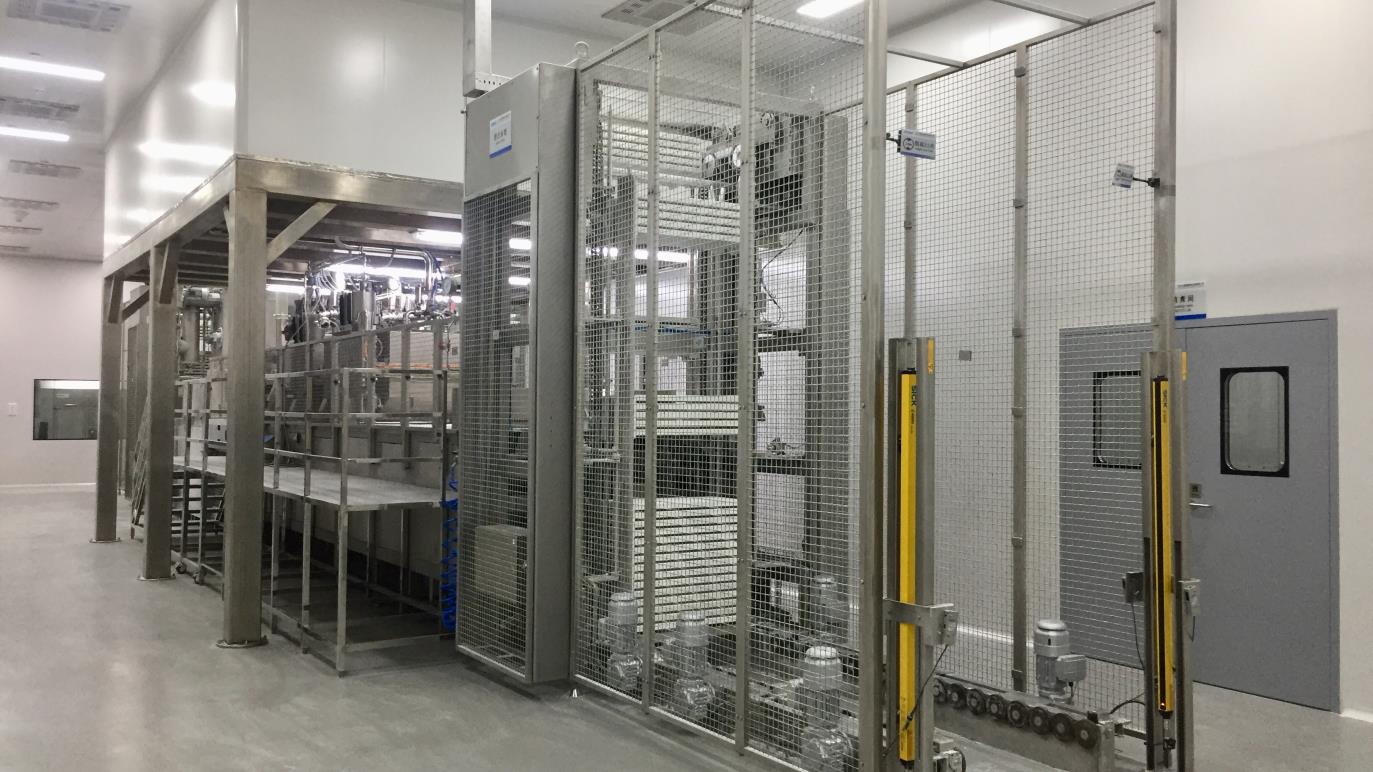
Chinese facilities feature modern, high-speed automated lines for capsule filling, powder blending, and gummy pouring. This automation reduces labor costs while maintaining tight control over product consistency and safety.
While Western contract manufacturers often require high minimum order quantities (MOQs) and 6-to-9 month lead times, Chinese manufacturers like Eik Health provide flexible batch sizing and lead times starting from 15 days, allowing brands to respond quickly to market changes.
Guangdong Eik Health Co., Ltd. is a professional China-based manufacturer specializing in OEM and ODM nutritional supplement solutions. With extensive experience in the health and nutrition industry, we are dedicated to providing global customers with reliable, flexible, and high-quality supplement manufacturing services.
We offer comprehensive solutions covering product development, customized formulation, ingredient sourcing, production, packaging, and private label services. Our manufacturing capabilities include gummies, capsules, softgels, tablets, powders, liquids, and other customized nutritional products, helping brands efficiently transform innovative ideas into market-ready health solutions.
Equipped with modern production facilities, advanced manufacturing equipment, and a strict quality management system, Guangdong Eik Health ensures consistent product quality and safety throughout the manufacturing process. We work with a wide range of premium raw materials and have access to more than 1,000 functional ingredients, enabling us to create customized supplement formulas that meet different market demands and consumer preferences.
With an efficient supply chain system and strong production capacity, we provide competitive solutions with flexible order quantities, fast quotation services within 24–48 hours, and optimized production schedules. Depending on product specifications and order requirements, our lead times can start from approximately 15 days, helping customers respond quickly to market opportunities.
At Guangdong Eik Health, we combine professional expertise, advanced manufacturing capabilities, and customer-oriented service to support partners from product concept development to final delivery. We are committed to becoming a trusted long-term OEM and ODM partner for nutritional supplement brands worldwide.
Different markets present distinct regulatory environments and taste preferences. Successful global supplement brands tailor their ingredient profiles to align with these regional parameters:
Key focus areas include Keto-compliance, zero sugar, and clear labeling of Net Carbohydrates. Popular sweeteners include Allulose, Erythritol, and Monk Fruit. Consumers favor clean-label claims such as Non-GMO and gluten-free certifications.
Regulations restrict or prohibit certain processing aids and chemical additives. Natural sweeteners like Stevia and Chicory Root fiber are preferred. There is strong demand for plant-based formulations, sustainable packaging, and high Nutri-Score ratings.
High demand for functional beauty and wellness benefits, including collagen peptides and adaptogenic herbal extracts. Portion-controlled, single-serving stick packs and low-carb gummies are popular formats for active, on-the-go consumers.
The functional snack market is evolving from basic low-sugar formulations toward advanced, multi-benefit health solutions. The following trends are shaping the future of the industry:
As concerns over erythritol digestability grow, brands are turning to allulose, tagatose, and sweet proteins like thaumatin and brazzein. These alternatives mimic the bulking and caramelization properties of sucrose without affecting blood glucose levels.
Snacks are increasingly formulated to support cognitive performance alongside physical satiety. The integration of Bacopa Monnieri, L-Theanine, and Ashwagandha into low-carb chocolate and gummies helps address stress management and mental focus.
Environmental footprint reduction is a priority for modern brands. Manufacturers utilize upcycled raw materials, such as spent grain proteins and fruit fibers, to build structural volume in baked goods and extruded crisps.
Replacing glycemic starches with prebiotic soluble fibers like xylo-oligosaccharides (XOS) and resistant starches helps support gut microbiome health without raising the product's net carbohydrate count.
Explore additional high-demand formulations, ranging from active sports supplements to cognitive and digestive wellness products.
 Eik Health