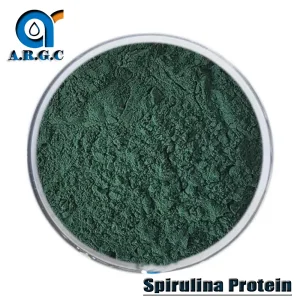
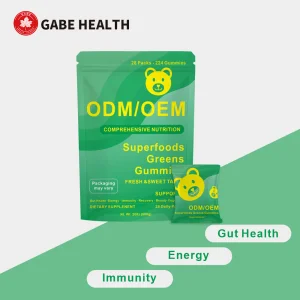
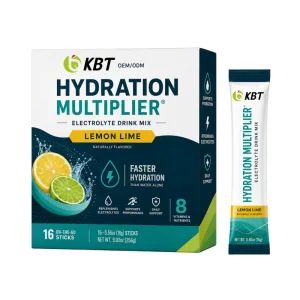
The global meal replacement market is undergoing a seismic shift. No longer confined to niche bodybuilding sectors or basic weight reduction diets, modern meal replacement powders (MRPs) represent a convergence of biotechnology, fast-moving consumer goods (FMCG), and clinical nutrition. Valued at over USD 12 billion globally and projected to sustain a robust CAGR of 6.8% through 2030, this sector is fueled by changing lifestyle habits, a heightened focus on preventative healthcare, and an increasing consumer preference for clean-label, functional food structures.
Under E-E-A-T paradigms, establishing authority in this sector requires analyzing how product development adapts to diverse demographic demands. Demographics in North America, Western Europe, and Asia-Pacific show varying preferences: while Western consumers seek plant-based, allergen-free proteins and sustainable packaging solutions, Asian markets show rapid interest in RTD (Ready-to-Drink) powders rich in bioactive botanicals, traditional medicine components, and beauty-centric additions like marine collagen and hyaluronic acid.
From an industrial perspective, the supply chain for meal replacements is intricate. Raw material sourcing, precise particle-size micronization, flavor-masking technologies, and nutrient preservation are the cornerstones of high-tier manufacturing. Understanding where and how these products are manufactured is vital for brands aiming to secure market share and maintain supply chain resilience.
When global brands select a contract manufacturing partner for meal replacement powders, they must look beyond standard pricing. High-quality formulation requires advanced production technologies, reliable raw material supply chains, and strict quality control systems. Below are the key indicators for evaluating the top 10 meal replacement powder factories worldwide:
Top factories maintain globally recognized certifications including ISO 22000, HACCP, FDA registration, GMP (Good Manufacturing Practices), Halal, and Kosher to ensure products pass global customs controls.
A factory's capability to formulate unique macronutrient ratios (keto, high-protein, vegan) and incorporate active ingredients like probiotics, adaptogens, and marine collagen is a key competitive differentiator.
Advanced blending equipment prevents ingredient segregation. High-efficiency micronization technology ensures optimal solubility and a smooth mouthfeel, eliminating grittiness in plant-based proteins.
Excellent taste is essential for consumer retention. Factories must have professional flavorists to develop appealing taste profiles using natural sweeteners like monk fruit and stevia.
A transparent supply chain is vital. Top-tier manufacturers provide full raw material batch records, certificate of analysis (COA) documents, and third-party heavy metal and microbiological testing sheets.
Whether packaging in gusset bags, rigid plastic tubs, single-serve sachets, or eco-friendly paper canisters, factories must offer nitrogen-flushing technology to maximize shelf life.
Guangdong Eik Health Co., Ltd. is a leading China-based manufacturer specializing in comprehensive OEM and ODM nutritional supplement solutions. Backed by years of industrial expertise, we are dedicated to providing global brand owners with reliable, high-yield, and flexible manufacturing services tailored to dynamic regulatory landscapes.
We provide end-to-end support covering formula ideation, raw material validation, contract manufacturing, functional testing, custom packaging, and private label support. Beyond meal replacement powders, our machinery handles diverse dosage forms including gummies, hard capsules, softgels, tablets, effervescent, functional liquids, and custom blends.
Our GMP-compliant facility leverages advanced production equipment and a strict, multi-step quality management system to guarantee consistency across every production run. With access to over 1,000 premium functional ingredients, we help brands create optimized nutritional profiles that stand out in competitive markets.
Through strategic location planning and vertical integration, we optimize shipping logistics and offering competitive pricing with flexible order volumes. We offer rapid 24-to-48-hour quoting turnaround and fast-track lead times starting from just 15 days, helping your brand maintain a light and responsive supply chain.
Our facility operates on systematic quality control protocols. Our manufacturing line ensures trace-level safety, high homogeneity, and consistent quality from the raw material stage to the sealed package.
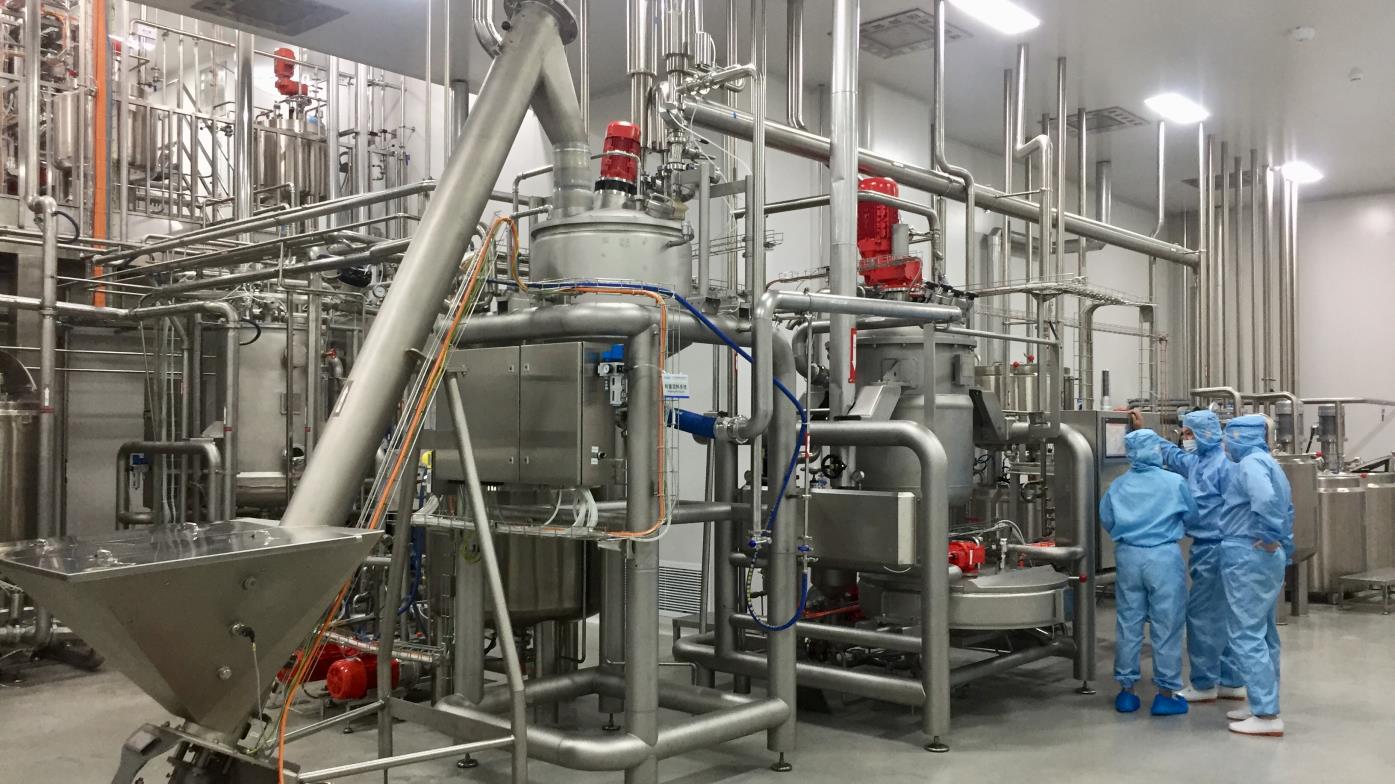
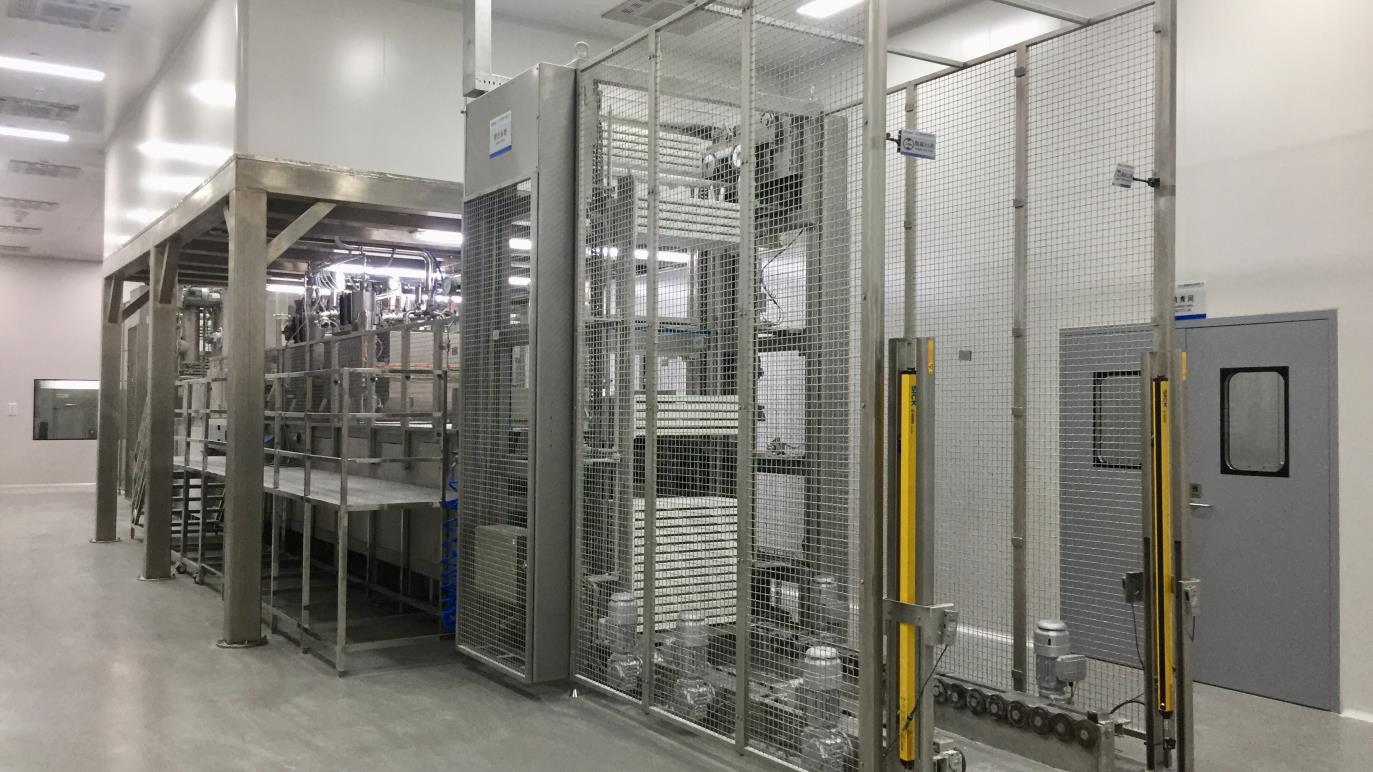
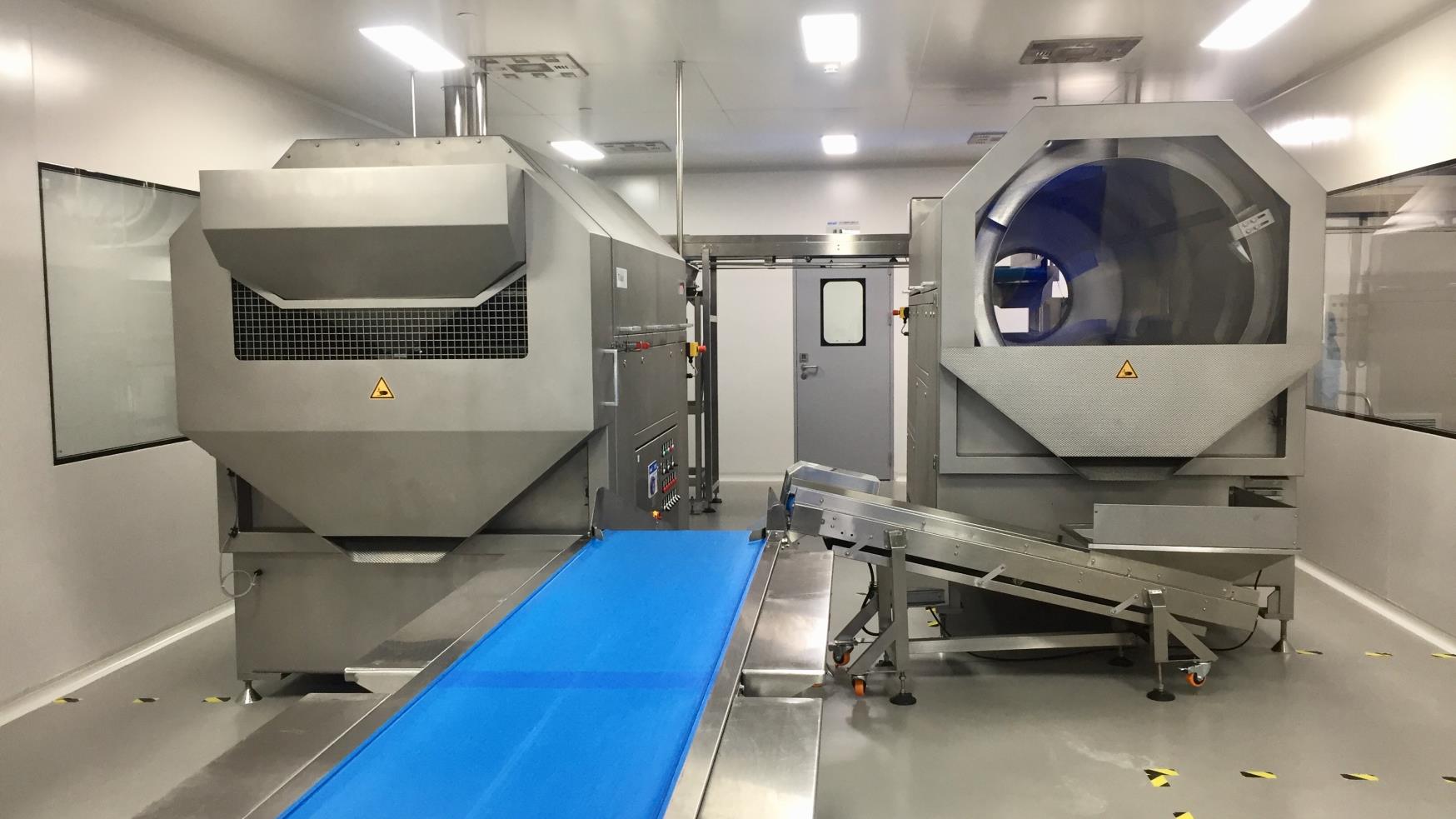
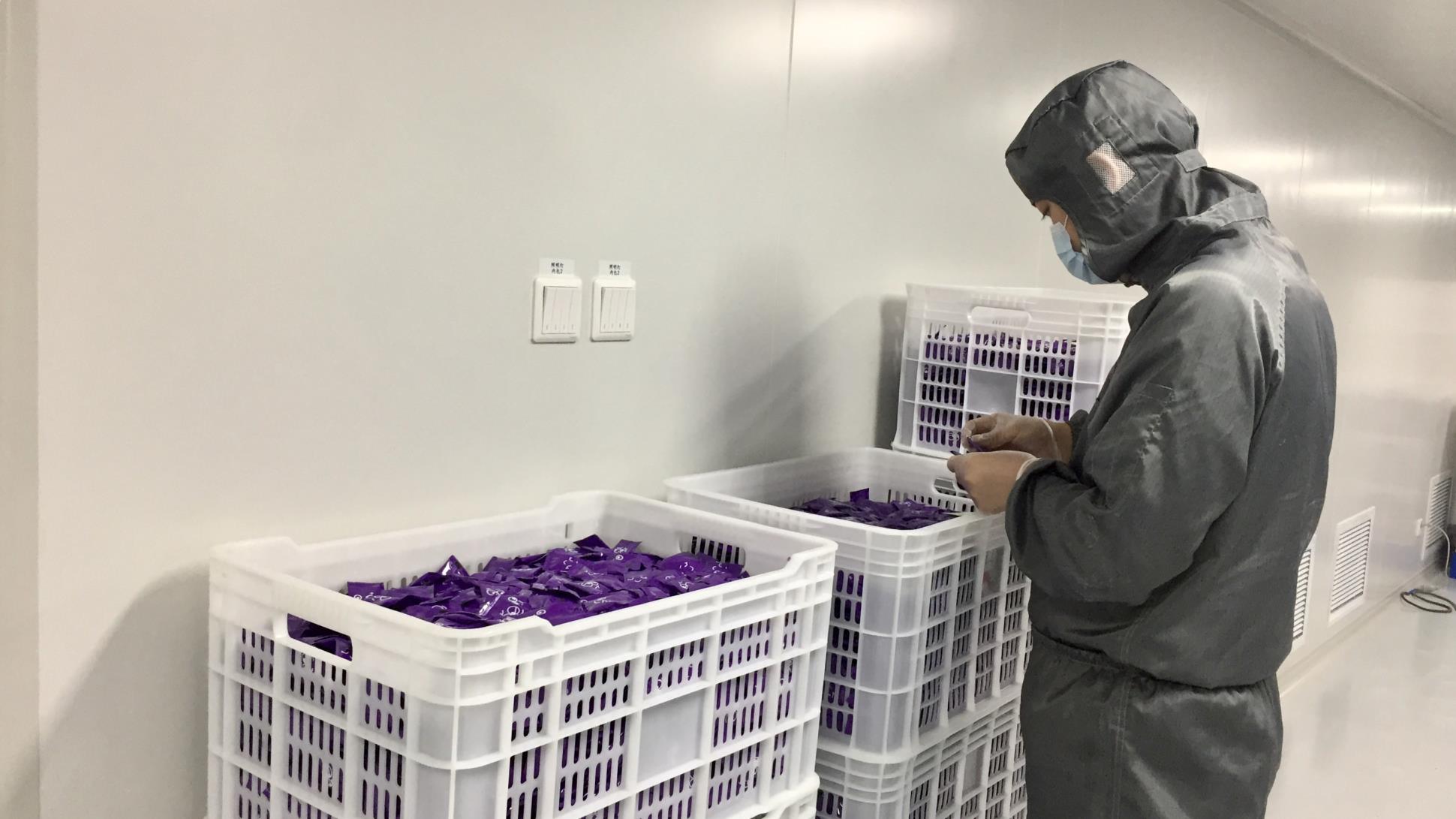
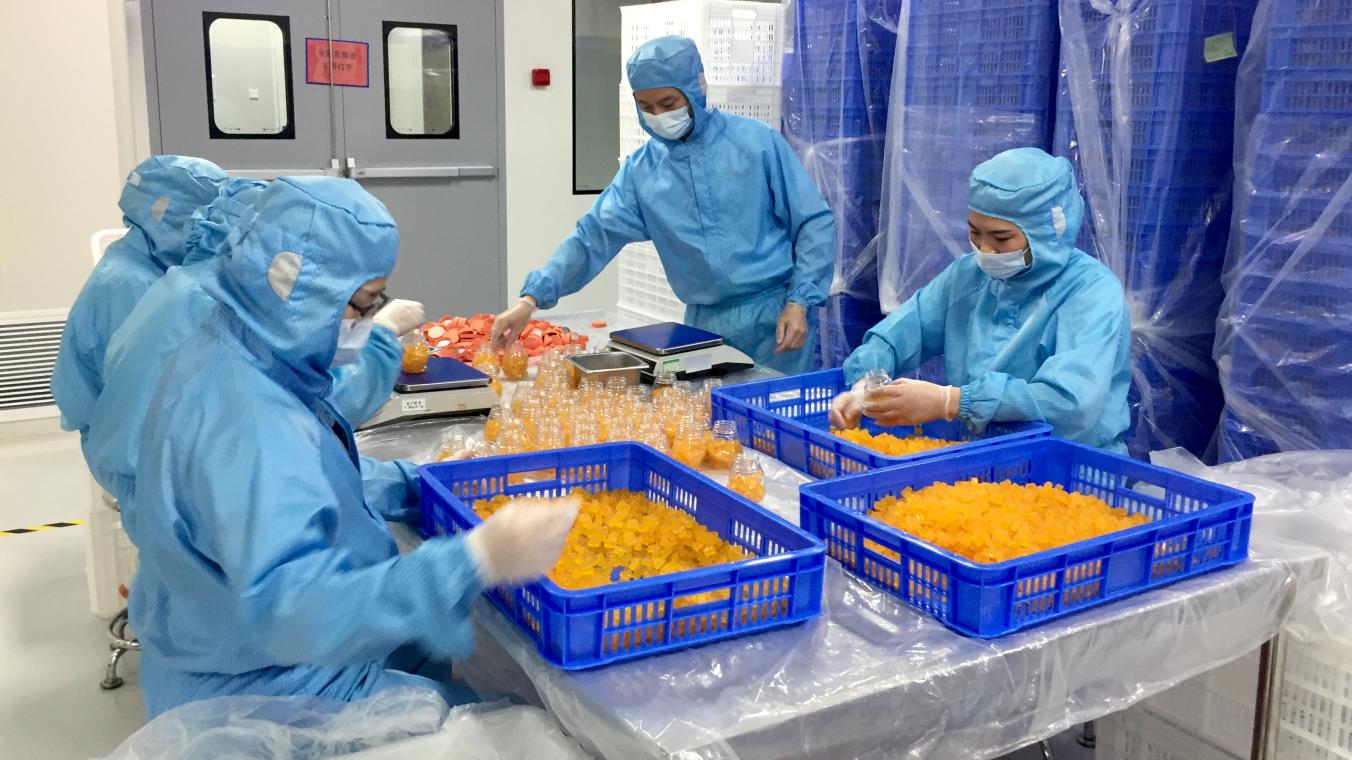
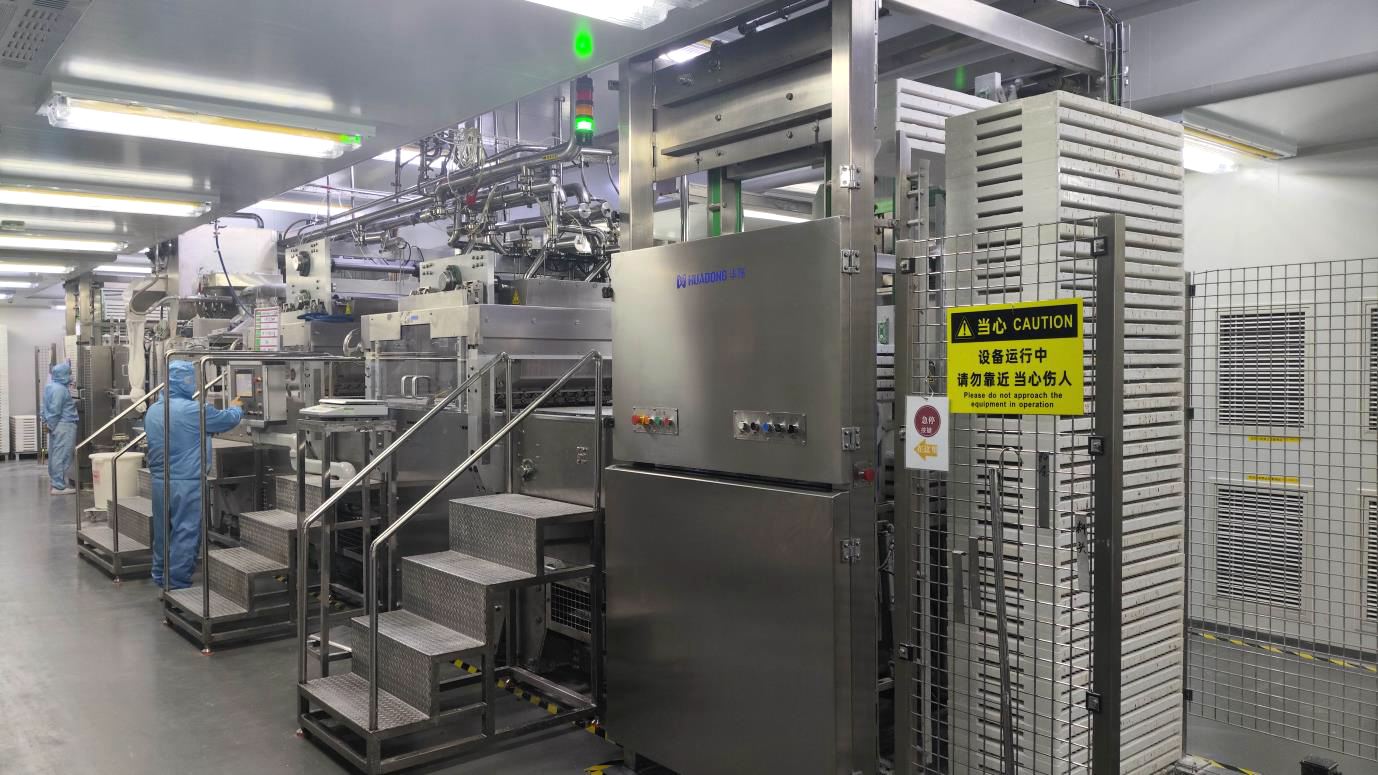
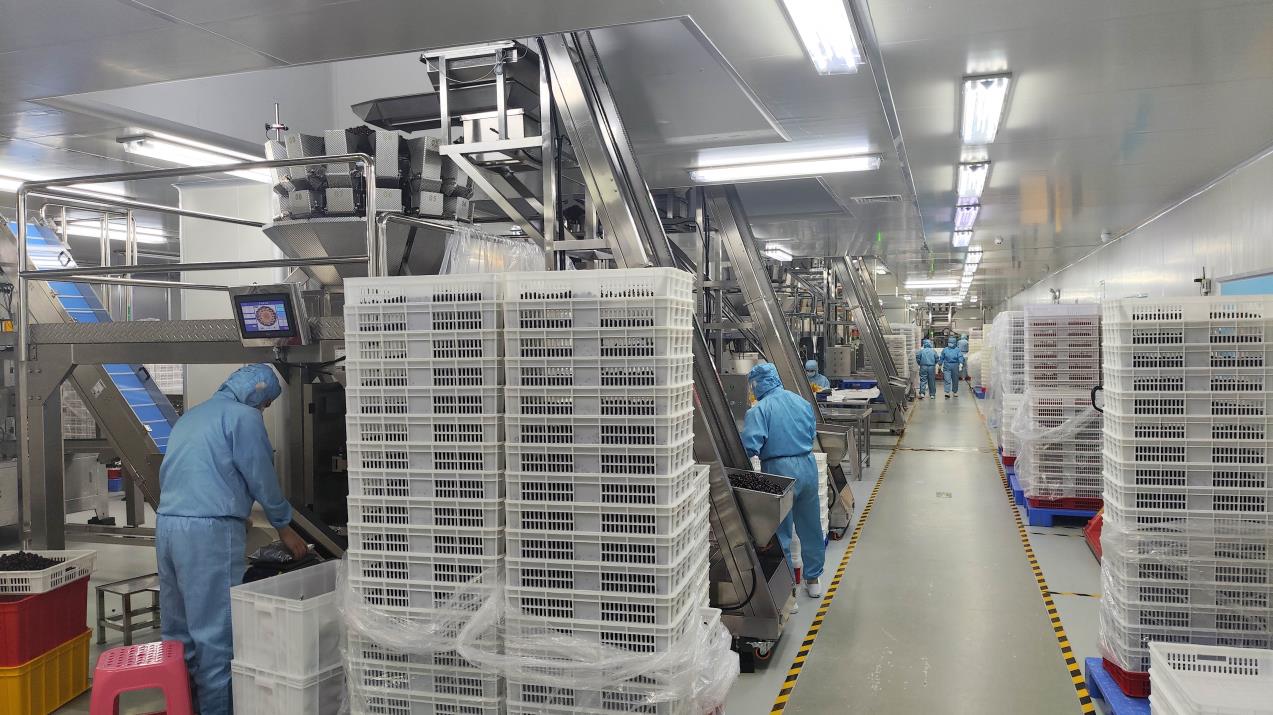
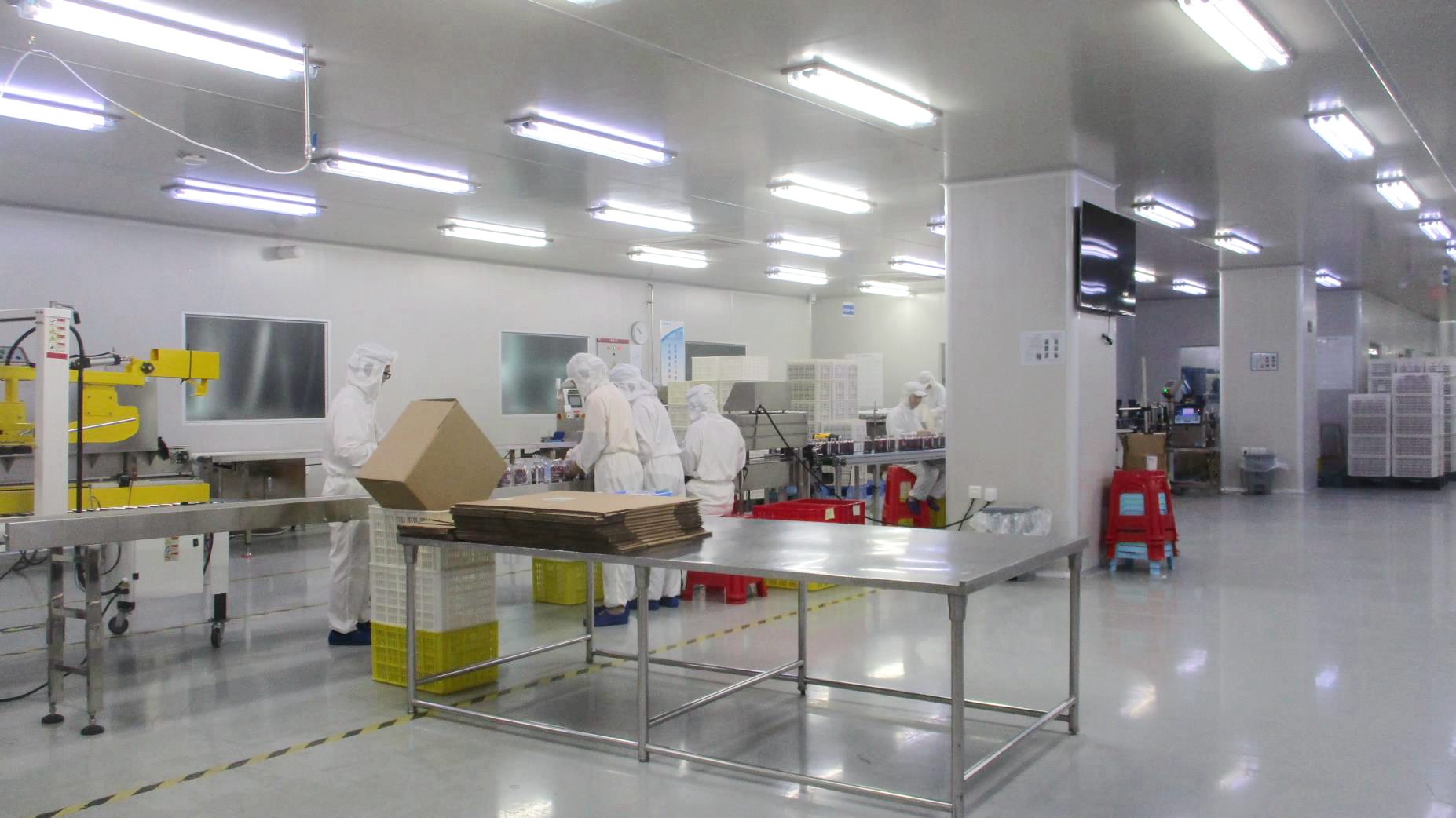
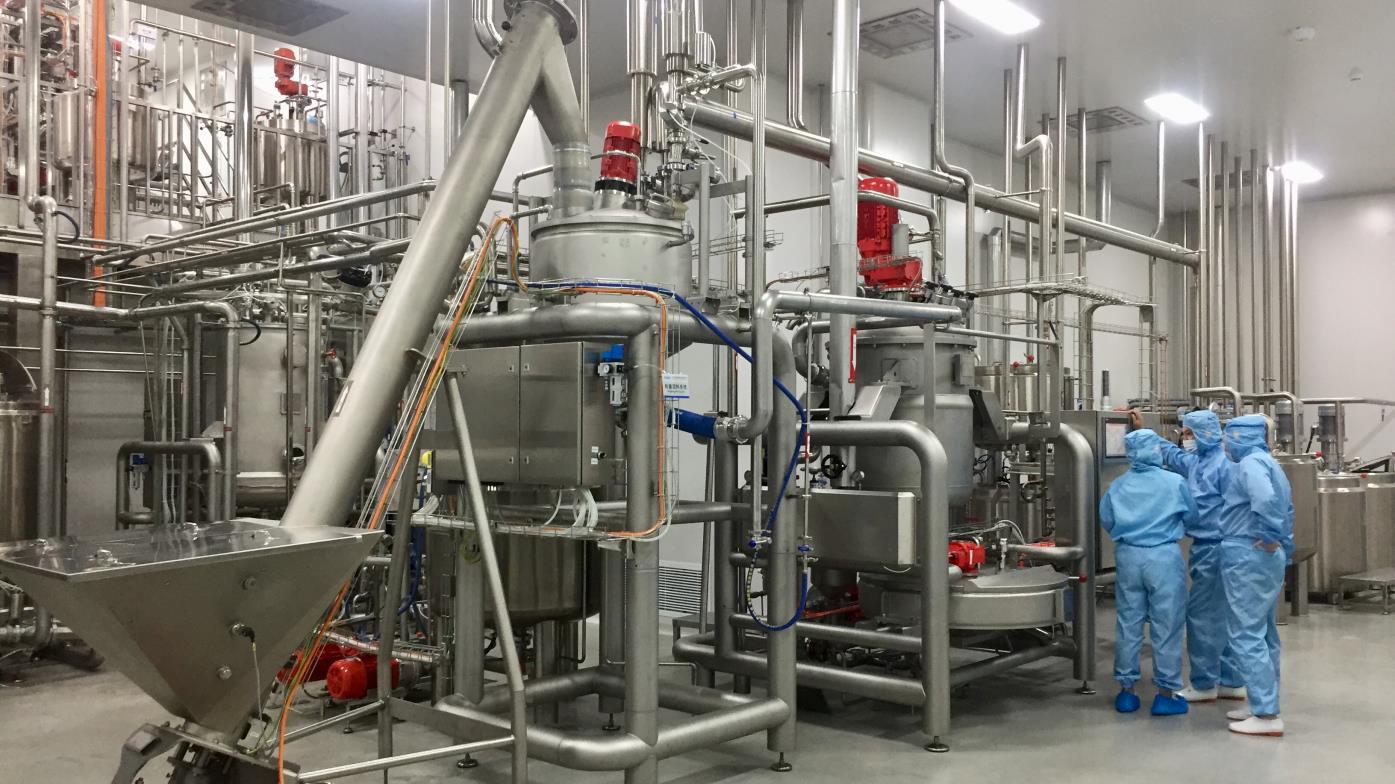
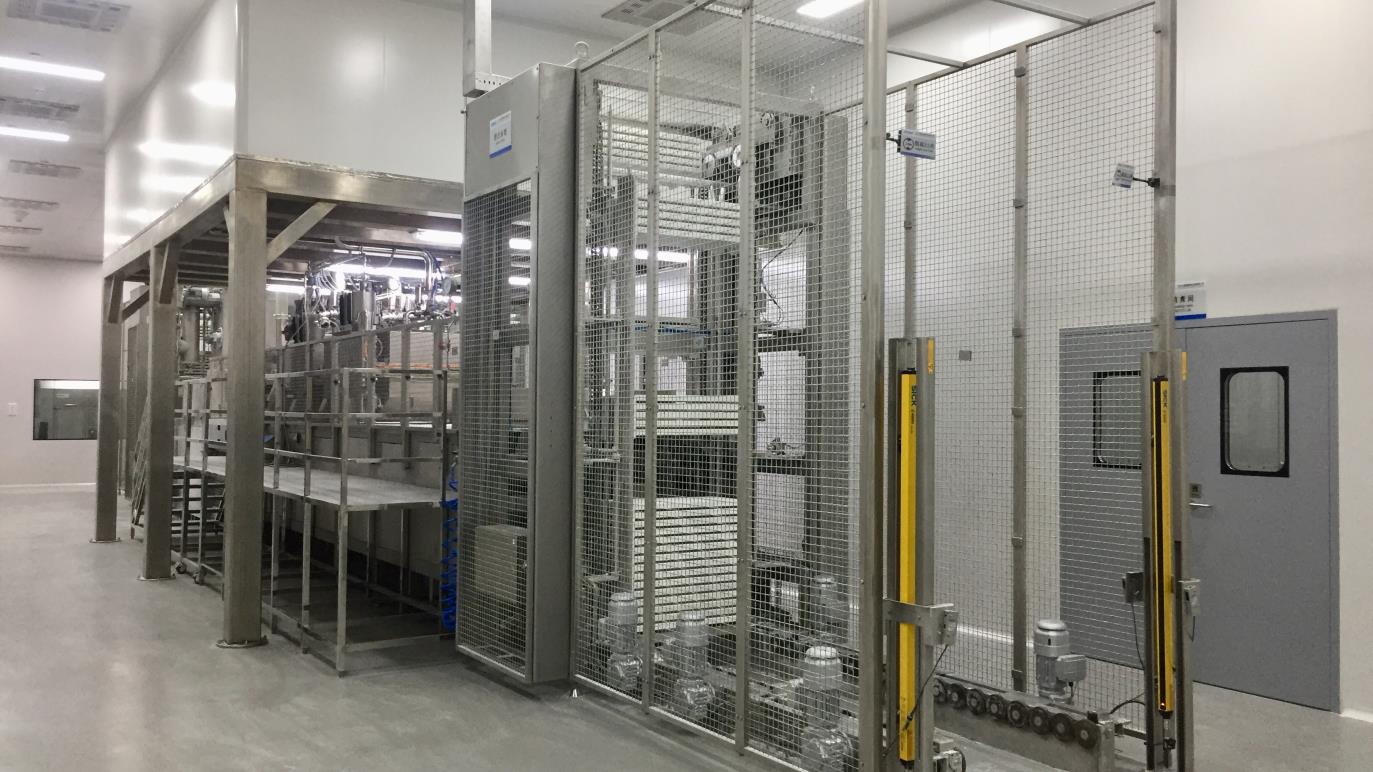
The dominance of Chinese manufacturing in the global dietary supplement space is driven by deep vertical integration and supply chain efficiency. Partnering with a Chinese contract manufacturer like Guangdong Eik Health provides several structural advantages:
China is a major global producer of vital raw ingredients, including vitamins, amino acids, plant extracts, and packaging materials. Sourcing and manufacturing within the same region eliminates international transit delays and lowers overall costs.
The speed of prototyping and scaling in China is unmatched. With 24-to-48-hour quoting cycles and lead times starting at 15 days, global brands can test, launch, and restock new formulations ahead of market trends.
Advanced automation, high-speed blending lines, and automated packaging systems lower unit costs. This cost efficiency allows brands to reinvest capital into customer acquisition and marketing.
Modern consumers require specialized nutrition tailored to their lifestyles. Developing a single meal replacement powder is no longer sufficient; brands must customize formulations for specific target audiences.
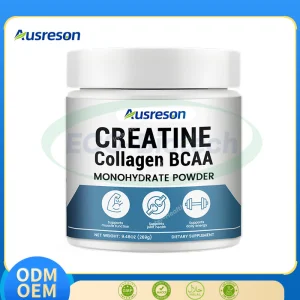
Formulations optimized for muscle repair and energy restoration. These typically include high-purity whey protein isolates or hydrolysates, BCAAs, creatine monohydrate, and fast-acting carbohydrates to support recovery.
High-fat, low-carbohydrate blends containing MCT (medium-chain triglyceride) oil powders, grass-fed collagen peptides, and high dietary fiber. These formulations promote satiety and support metabolic efficiency.
All-in-one balanced nutrition featuring a complete profile of 24 essential vitamins and minerals, complex carbohydrates like oat flour, plant-based proteins, and adaptogens to support focus and reduce fatigue.
Easy-to-digest formulations with high bioavailability. These utilize partially hydrolyzed proteins, digestive enzymes, high-calcium complexes, and vitamins D3 and K2 to support bone density and muscle mass retention.
Staying competitive in the meal replacement market requires aligning with consumer trends. Key developments shaping the future of the industry include:
For procurement managers and supply chain directors, selecting a manufacturing partner involves evaluating risk and capacity. Below is an essential checklist for qualifying an OEM/ODM powder facility:
Request and verify GMP, ISO 22000, and FDA registration documents. Request third-party allergen controls and validation protocols for gluten-free or nut-free claims.
Evaluate R&D capabilities. Request flavor match samples to assess sweetening profiles and texture solubility. Inquire about the stability testing protocols used for new formulations.
Confirm minimum order quantities (MOQs) for custom bags versus stock formulations. Verify average lead times, peak-season capacities, and export shipping logistics support.
 Eik Health