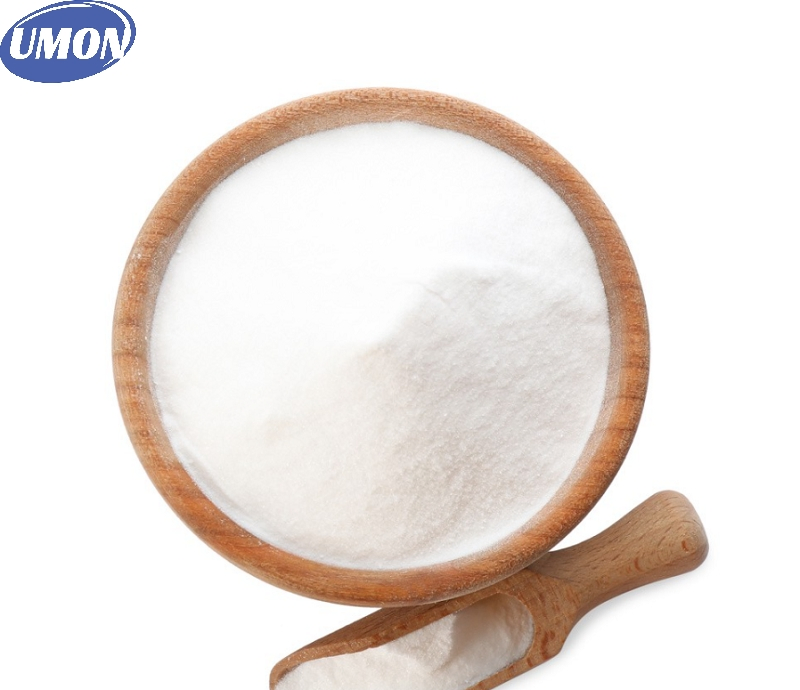
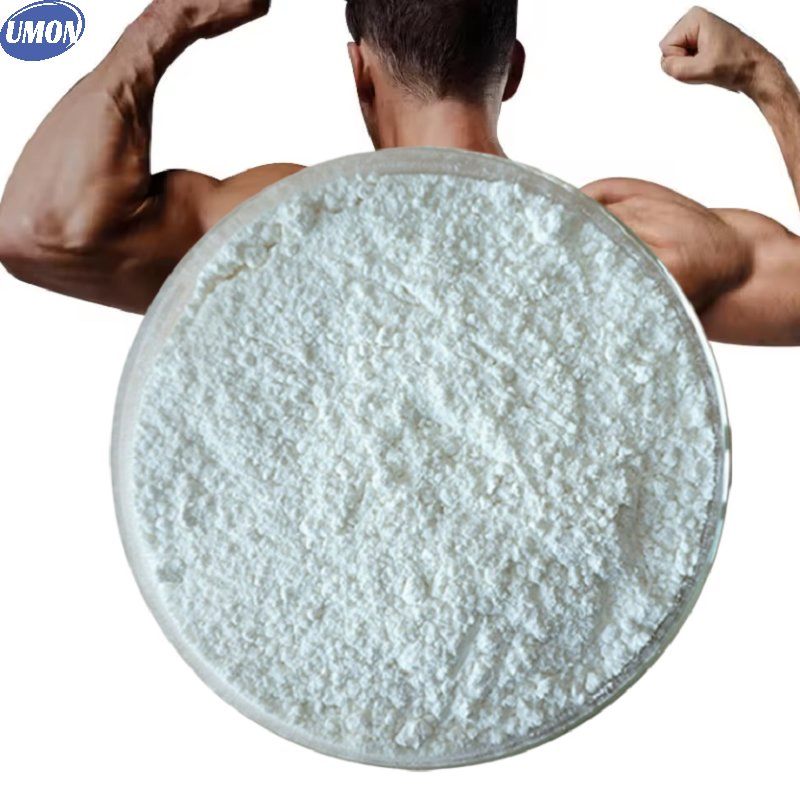
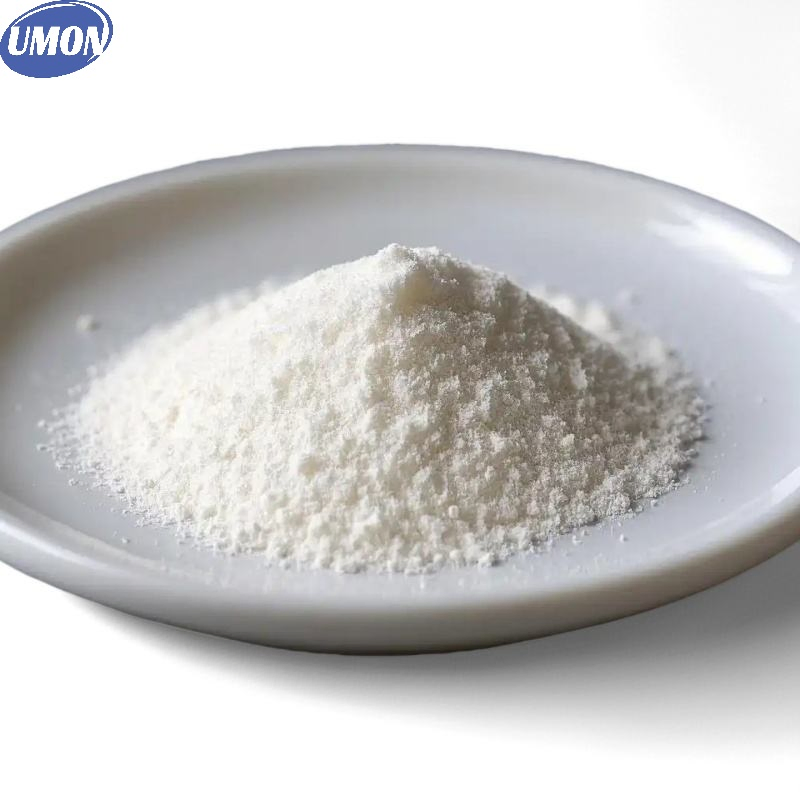
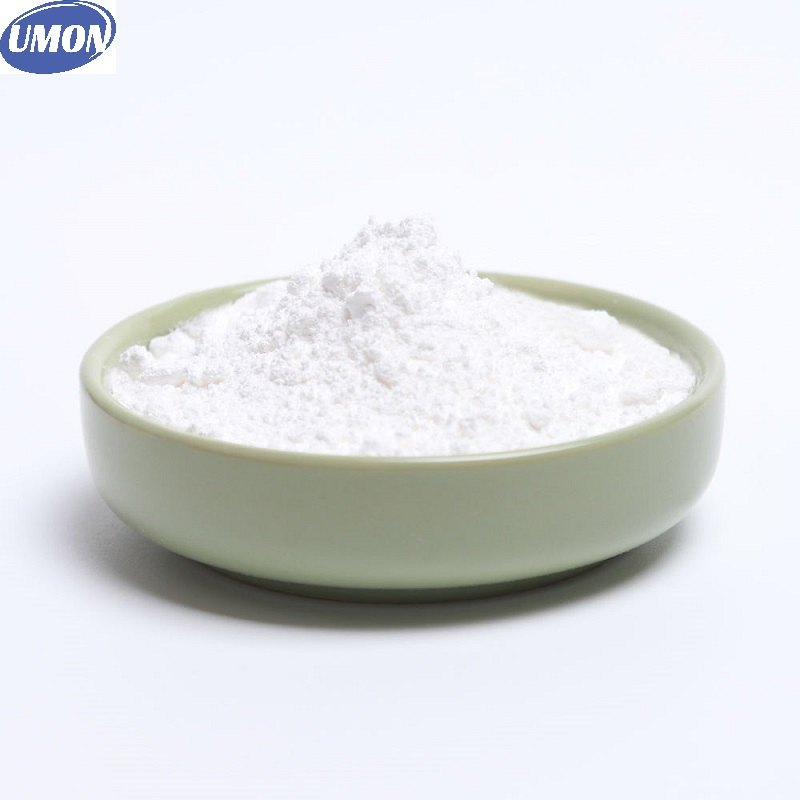
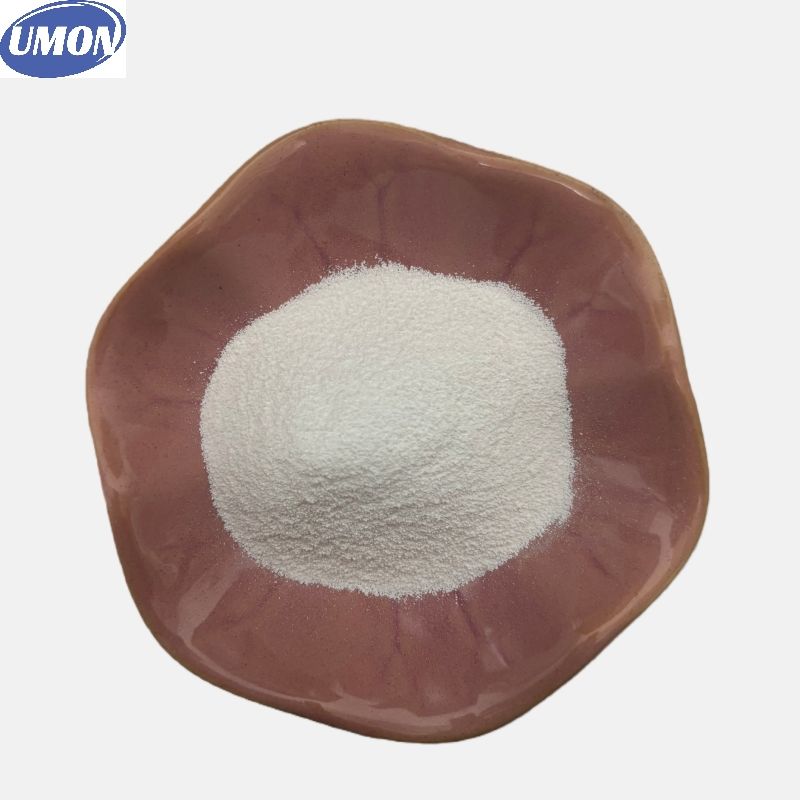
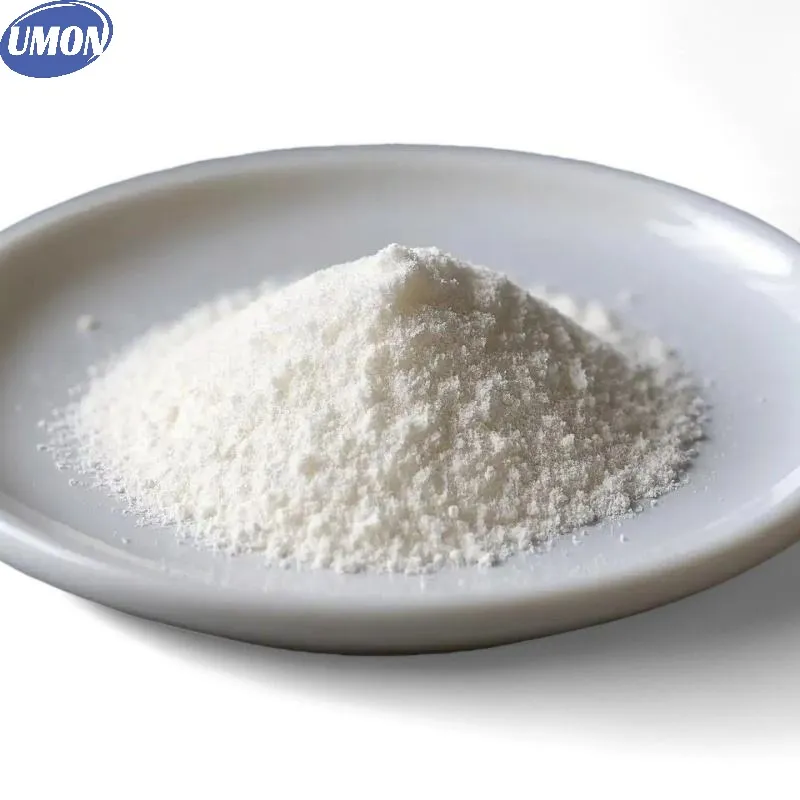
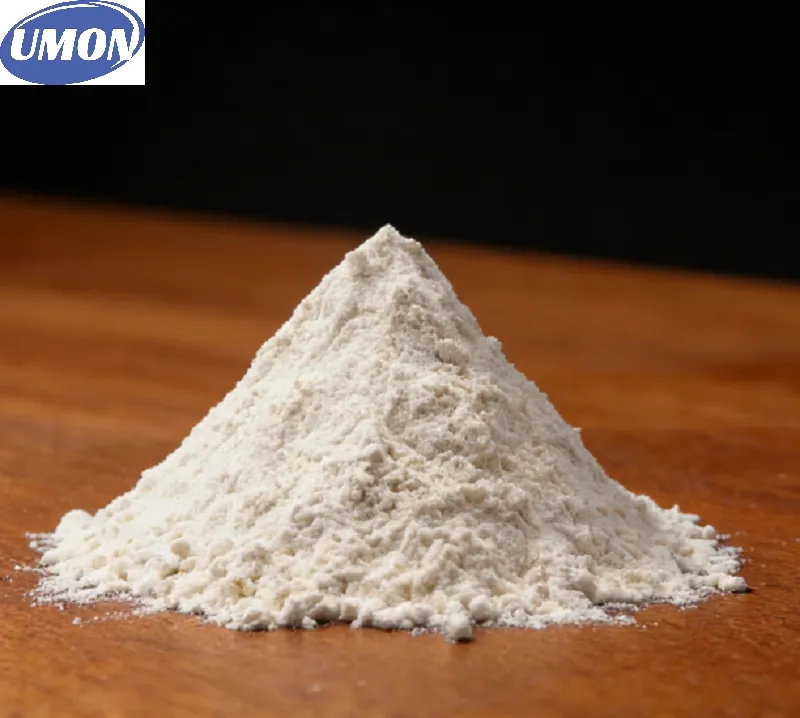
L-Arginine HCl, short for L-arginine hydrochloride, is a hydrochloride salt form of the essential amino acid L-arginine. L-Arginine HCl is a white to almost white crystalline powder, soluble in water, and has a slightly salty taste. It is derived from L-arginine by reacting it with hydrochloric acid, which enhances its stability and water solubility. Chemically, it has the molecular formula C6H14N4O2·HCl and a molecular weight of approximately 210.66 g/mol.
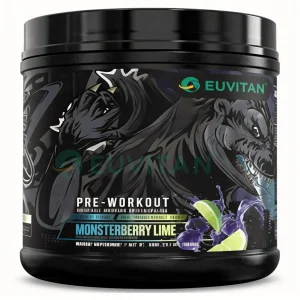
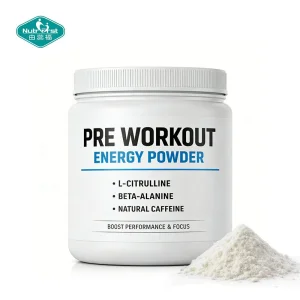
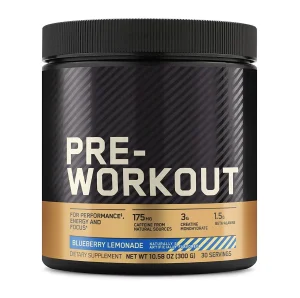
- As a key precursor for the synthesis of nitric oxide (NO), L-Arginine HCl promotes vasodilation (widening of blood vessels), improving blood flow and oxygen delivery to tissues. This makes it popular in sports nutrition supplements to enhance exercise performance, muscle recovery, and endurance. It supports the production of creatine, which is vital for energy metabolism in muscles. Used in oral supplements for individuals with arginine deficiencies, such as those with certain genetic disorders or recovering from severe injuries.
- Clinically, it may be used to manage cardiovascular conditions like hypertension (due to its vasodilatory effect) and peripheral artery disease. Aids in wound healing by improving blood supply to injured areas and supporting collagen synthesis. Used in parenteral nutrition solutions for patients who cannot obtain sufficient arginine through diet.
- Added as a nutritional fortifier in functional foods, such as energy drinks, protein bars, and infant formulas, to enhance amino acid profiles. Used in animal feed to promote growth, improve immune function, and support reproductive health in livestock.
- Incorporated into topical formulations for its potential to improve skin blood circulation, which may enhance the delivery of active ingredients and promote a healthy complexion. Supports skin elasticity and hydration by influencing collagen production.
 Eik Health